

Entrance fee – no fee

24 hours

No closing days
Add to My Tour
Toktogul Park
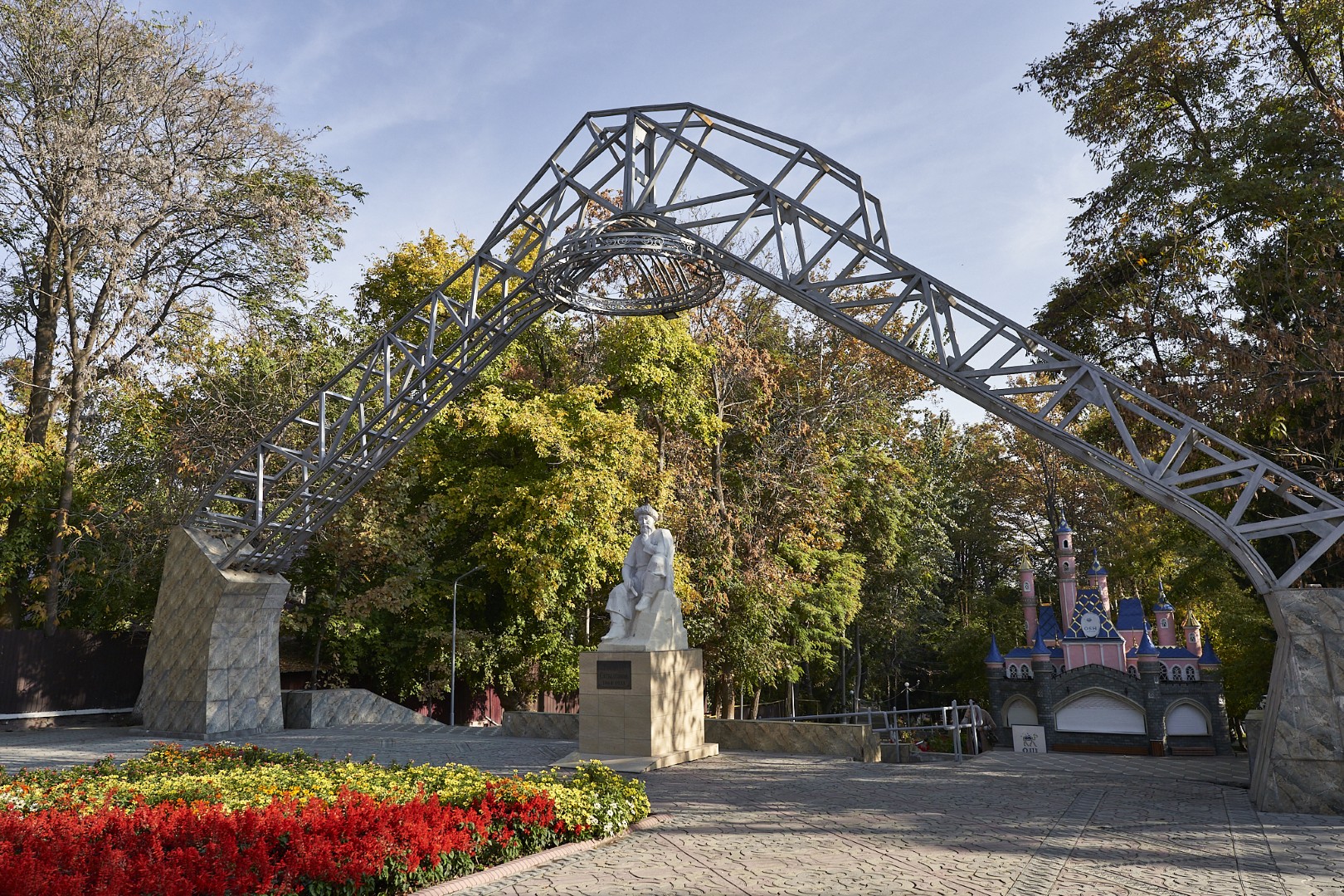
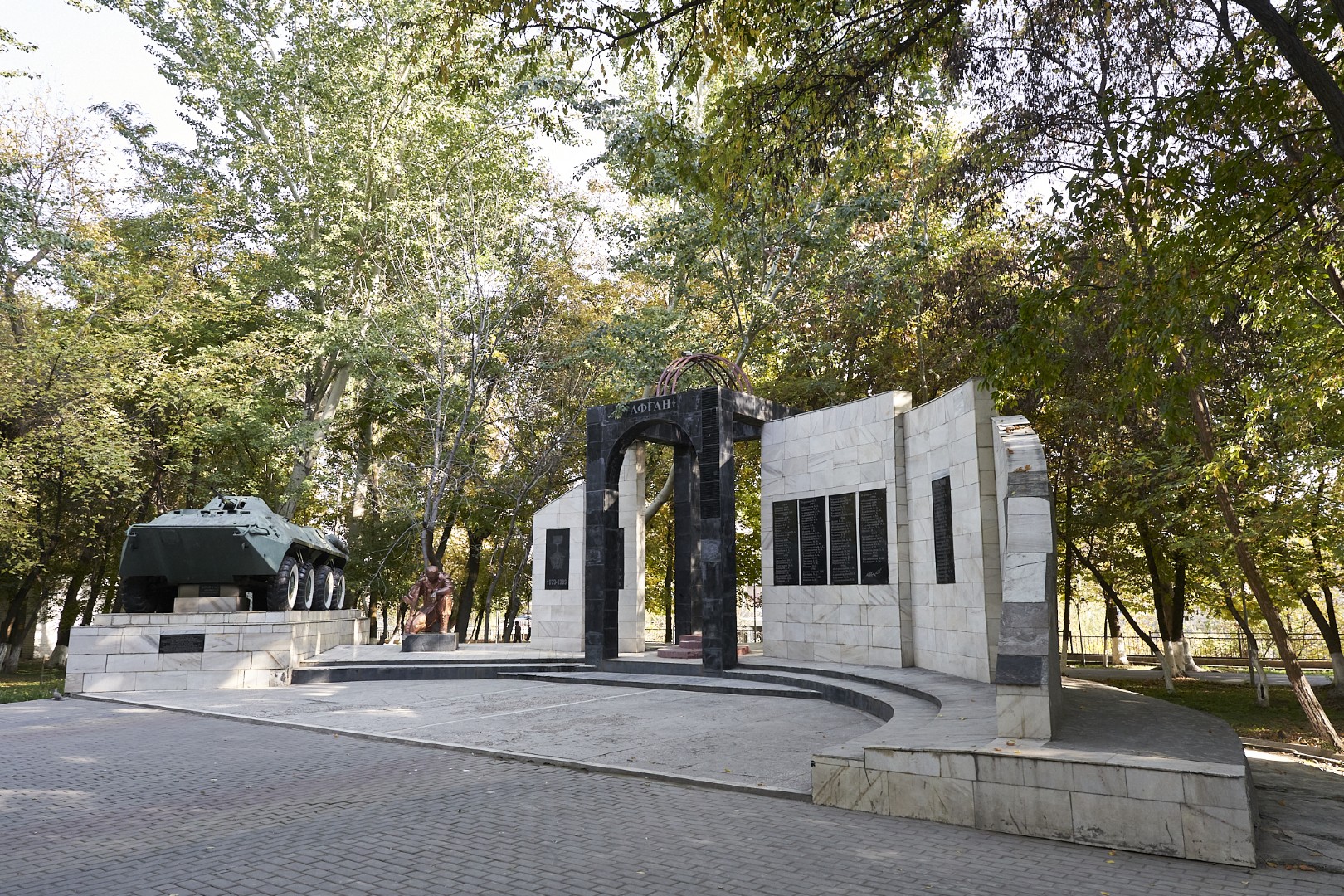
One of the oldest city parks in Osh, Toktogul Park was founded in 1878 as the city garden of the Governor-General. During the same period, a church, a post office, a treasury, soldiers’ barracks and an infirmary with a pharmacy were built on the left bank of the Ak-Buura river.
The city garden became the cultural center of the new Osh district, established in 1876 by order of the Turkestan Governor-General Konstantin Kaufman. It included city blocks that still exist today and whose names remain unchanged: Tashlak-Guzarsky, Tort Kocho, Andijan, Sheyit-Tepa, Sheikhlar-2 Guzar, Zhidalik, Imam Ata, Archa-Mazar, Rabat Kocho and others.
Captain Mikhail Ionov was appointed the first district head of the Osh district. His name in Osh is associated with the history of the city garden that became Toktogul Park, and with the former city rest house built on the banks of the Upper Uvam Canal.
The modern history of the park began after the establishment of Soviet power. In 1918, Vladimir Golubev, one of the first Komsomol members of Osh, died in battle and was buried on the banks of the Ak-Buura, in the upper part of the garden. Golubev’s request that he be laid to rest between three poplars on the river bank was carried out, and later, at the behest of Komsomol members, the city park was laid out on the site of the former garden.
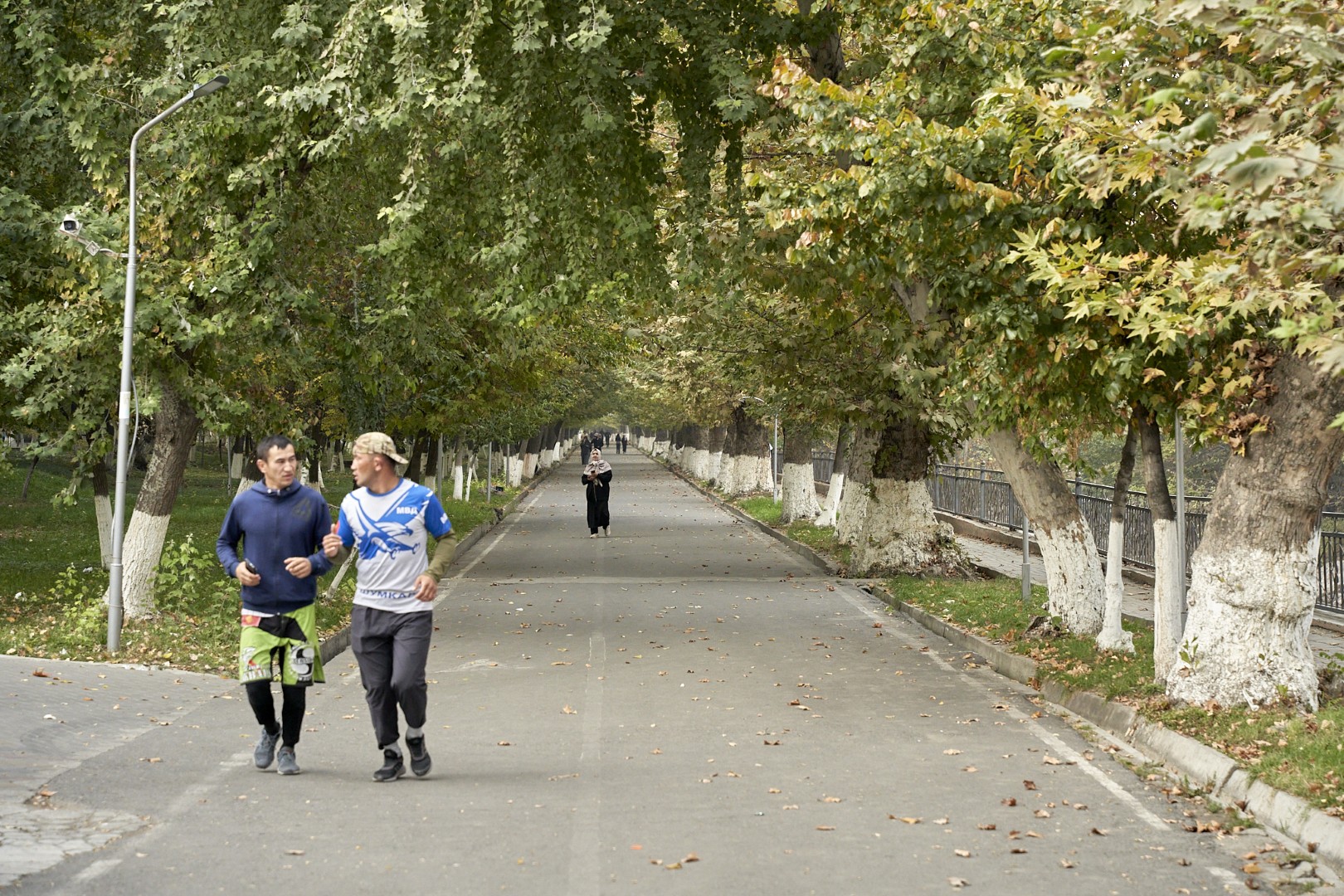
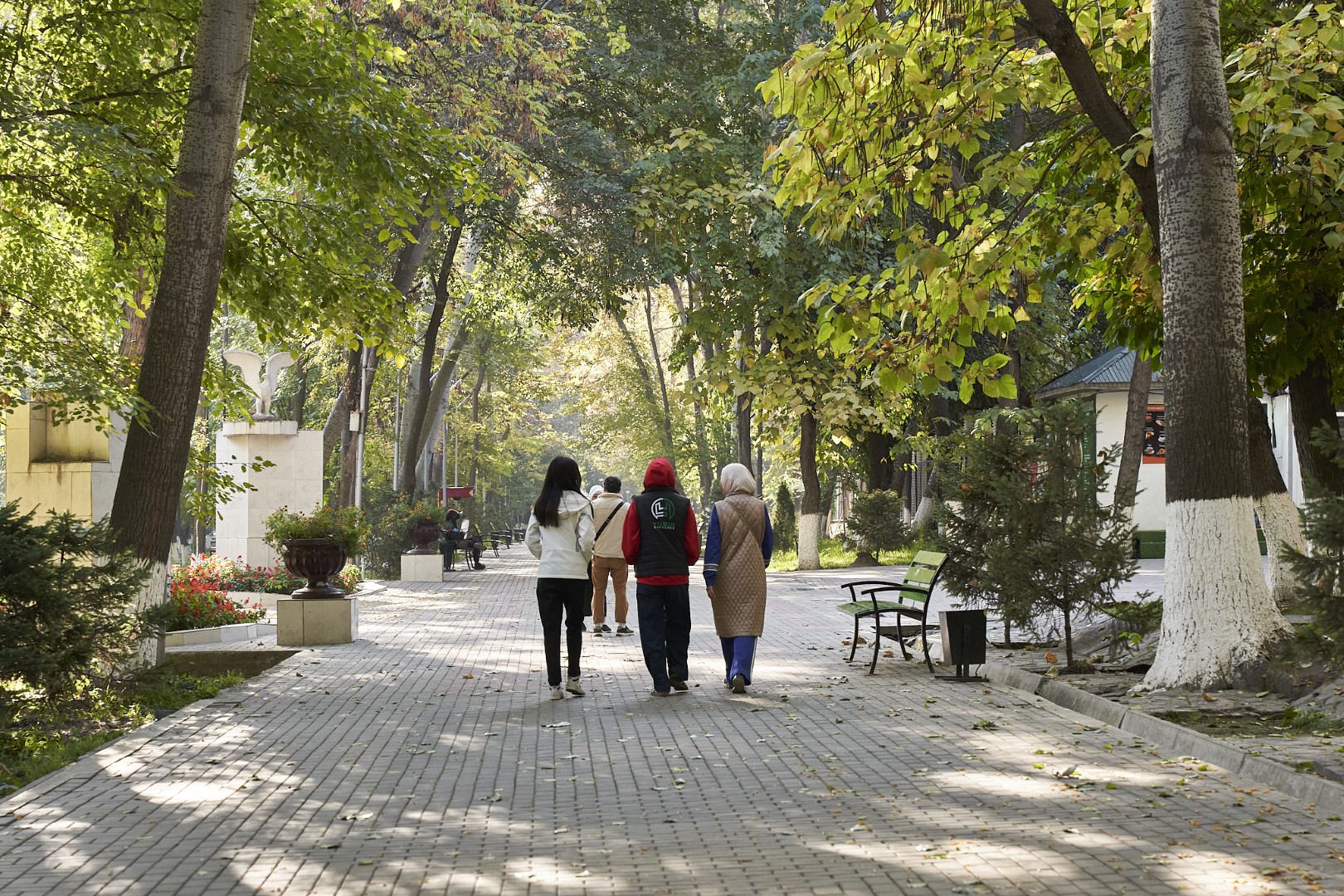
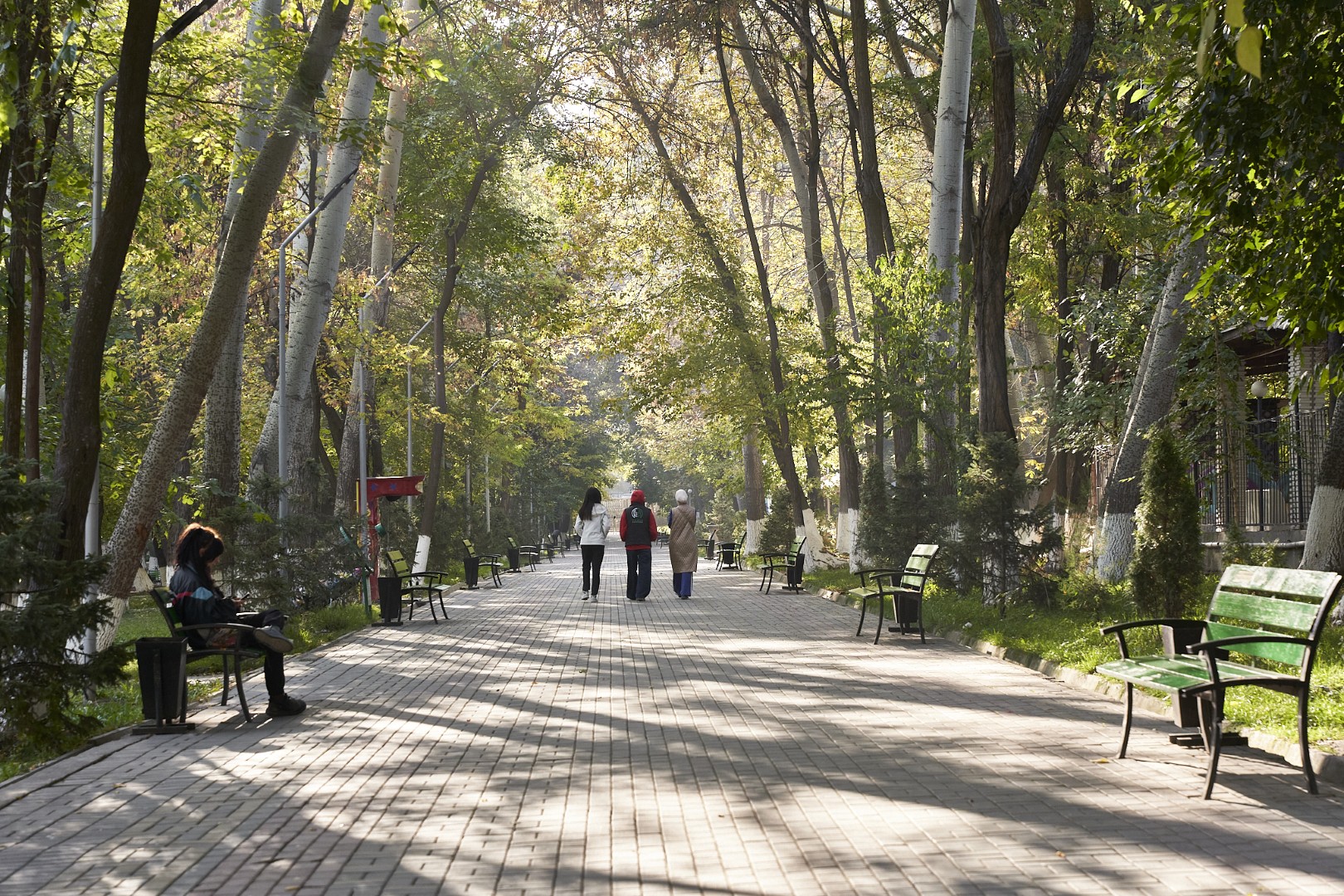
The total area of the park is 12 hectares. Silver poplar, willow, thuja, archa, maple and acacia trees grow in its grounds. One of the oldest canals, Zhupas-Aryk, flows into the park beneath the central square, emerging into view near the Navat teahouse and flowing on to Suleiman Mountain.
In 1934, the park was named after Toktogul Satylganov, the most famous of the Kyrgyz “akyns,” improvisational poets and singers. In 1968-1969, the main entrance to the park was renovated and a monument to Toktogul was unveiled. The summer theatre of the park was a venue for local and visiting rock bands, who were not allowed to perform on big stages during the Soviet era. In 1988, the St. Petersburg band Bravo played there; in 1993, the Osh heavy metal band Novoye Vremya gave its first concert in the park.

Locations Nearby
-
National Drama Theatre
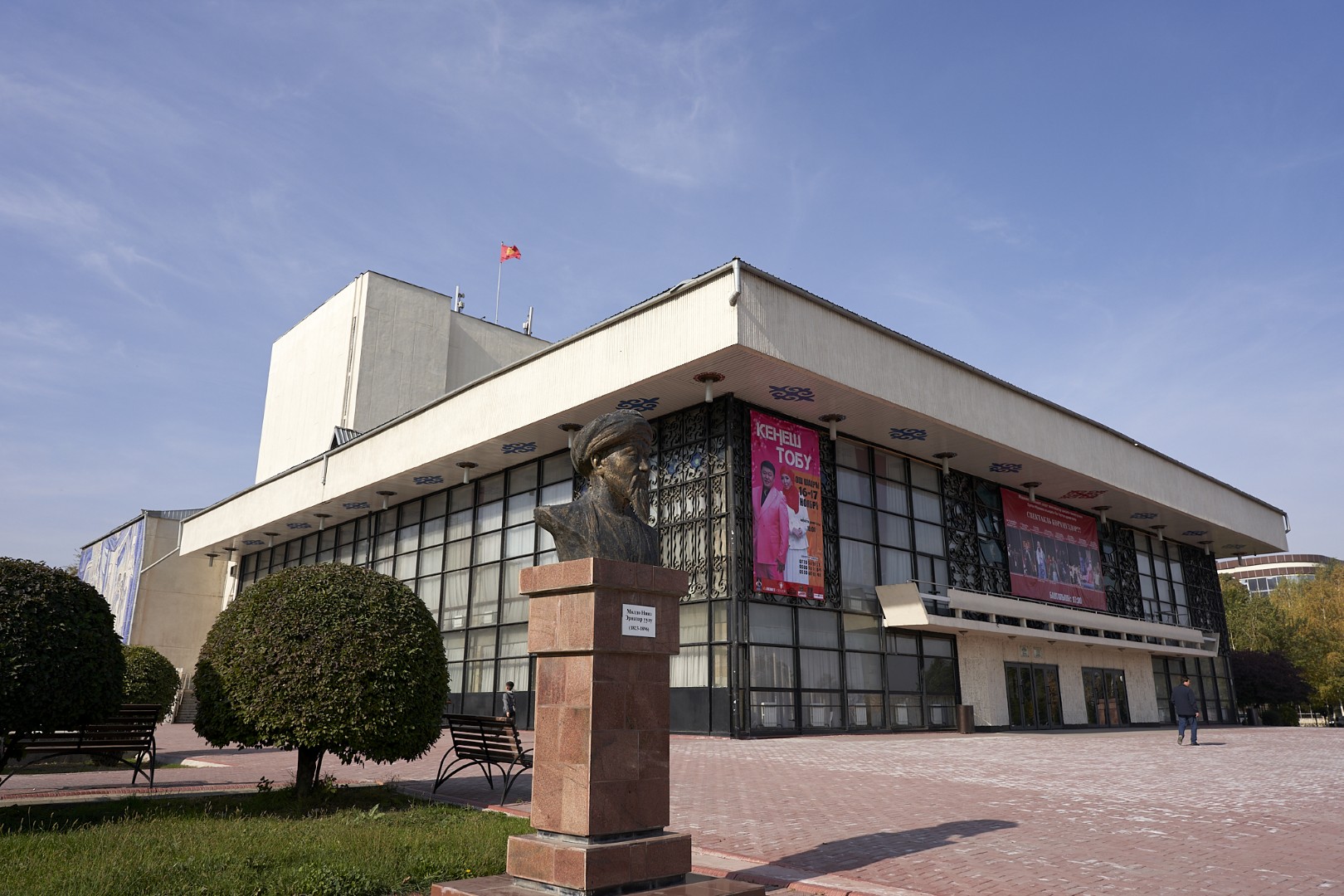
The Osh National Drama Theatre named after Sultan Ibraimov is one of the largest and most famous theatres in Kyrgyzstan. The theatre company was established…
-
Rabat Abdullah Khan Mosque
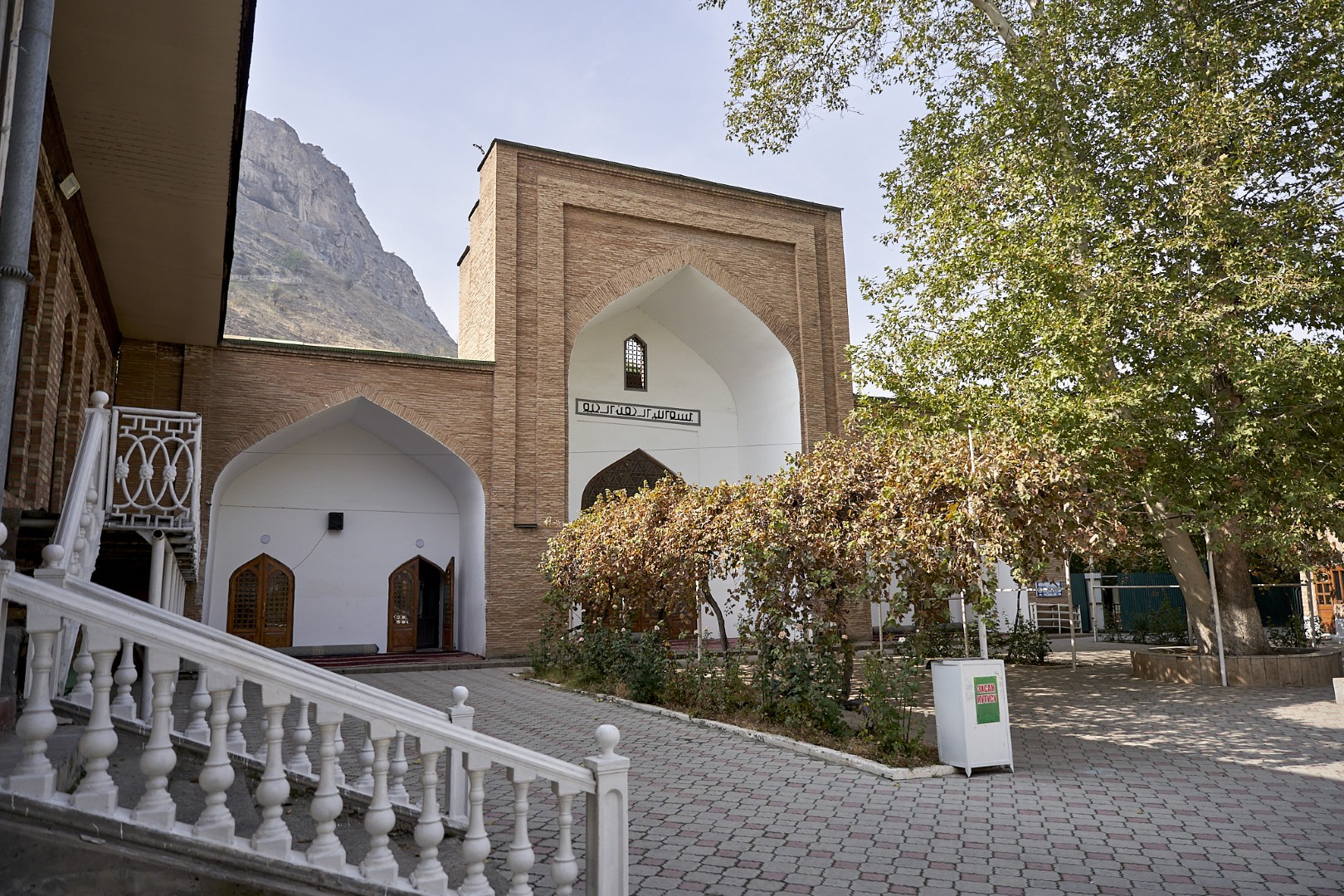
Rabat Abdullah Khan Mosque, a historical and architectural monument of the Shaybanid era, is located at the northern foot of the Suleiman Mountain.
-
“Zero Milestone”: At the foot of Suleiman Mountain
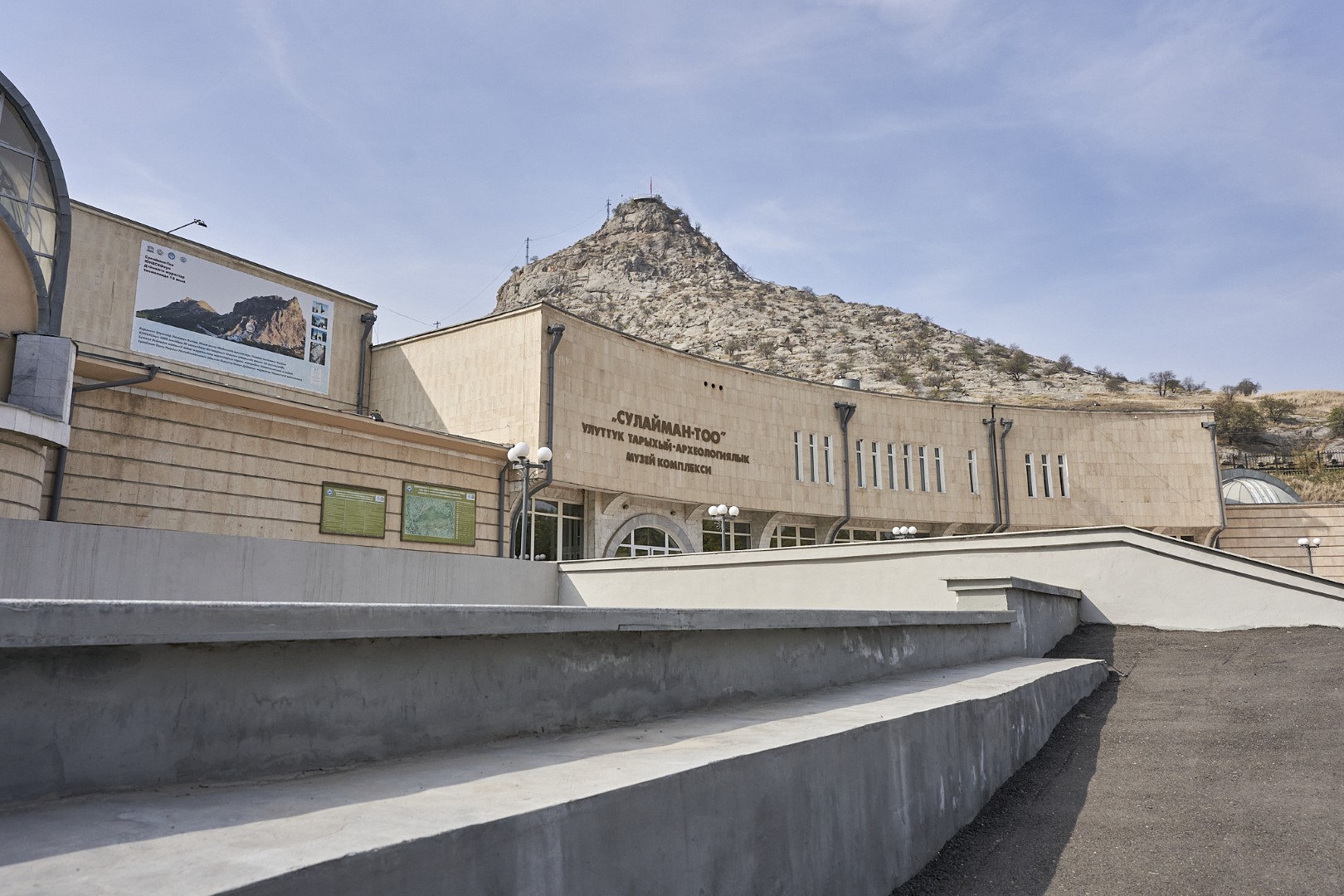
The square at the foot of Suleiman Mountain’s north face has not always been the open and lively place it is today. Until the 1970s,…
-
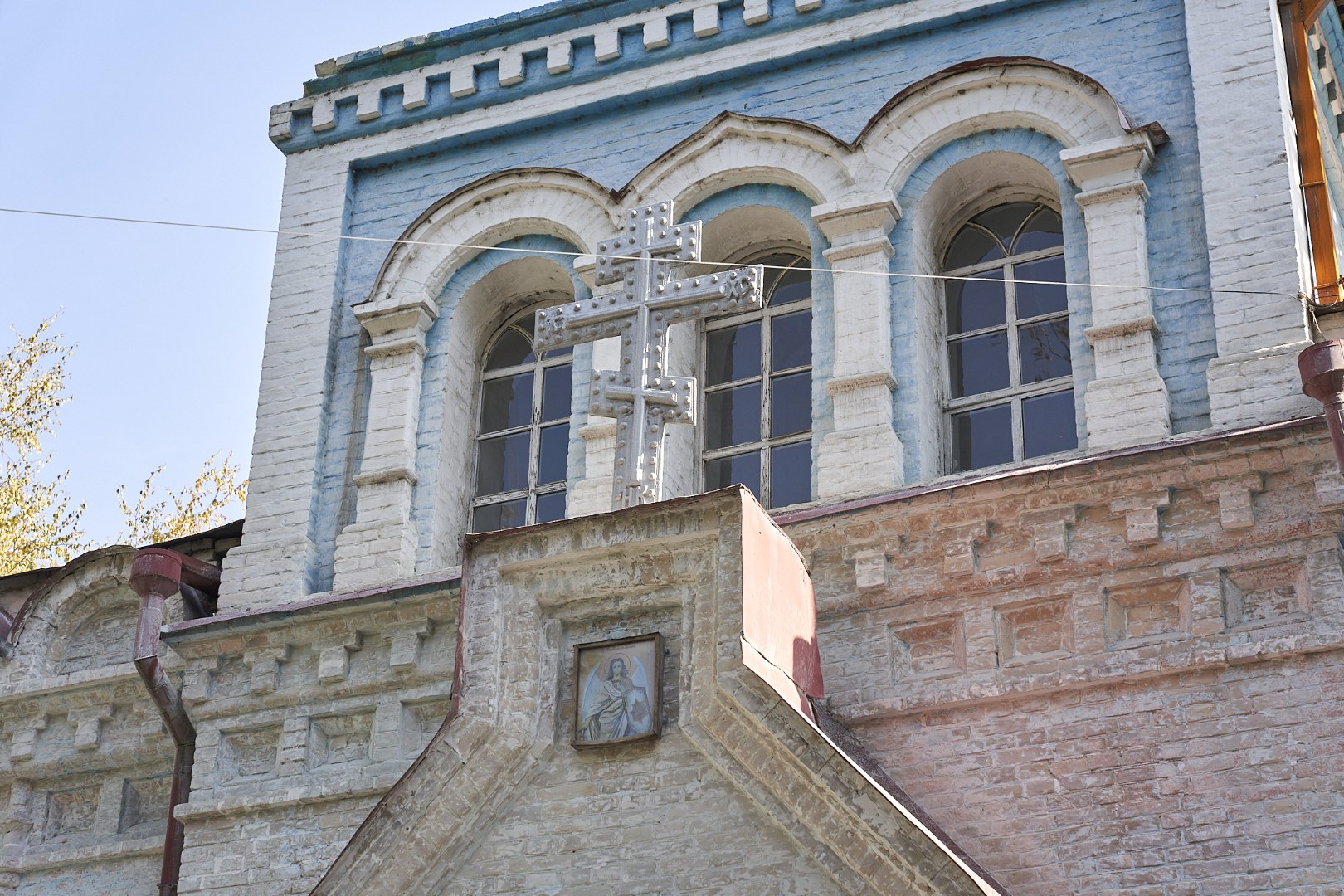
Russian Orthodox Church
St. Michael the Archangel Cathedral is the only remnant of Russian Orthodox architecture in Osh and was the central landmark around which the Slavic community…
Other Locations
-
Rabat Abdullah Khan Mosque
Rabat Abdullah Khan Mosque, a historical and architectural monument of the Shaybanid era, is located at the northern foot of the Suleiman Mountain.
-
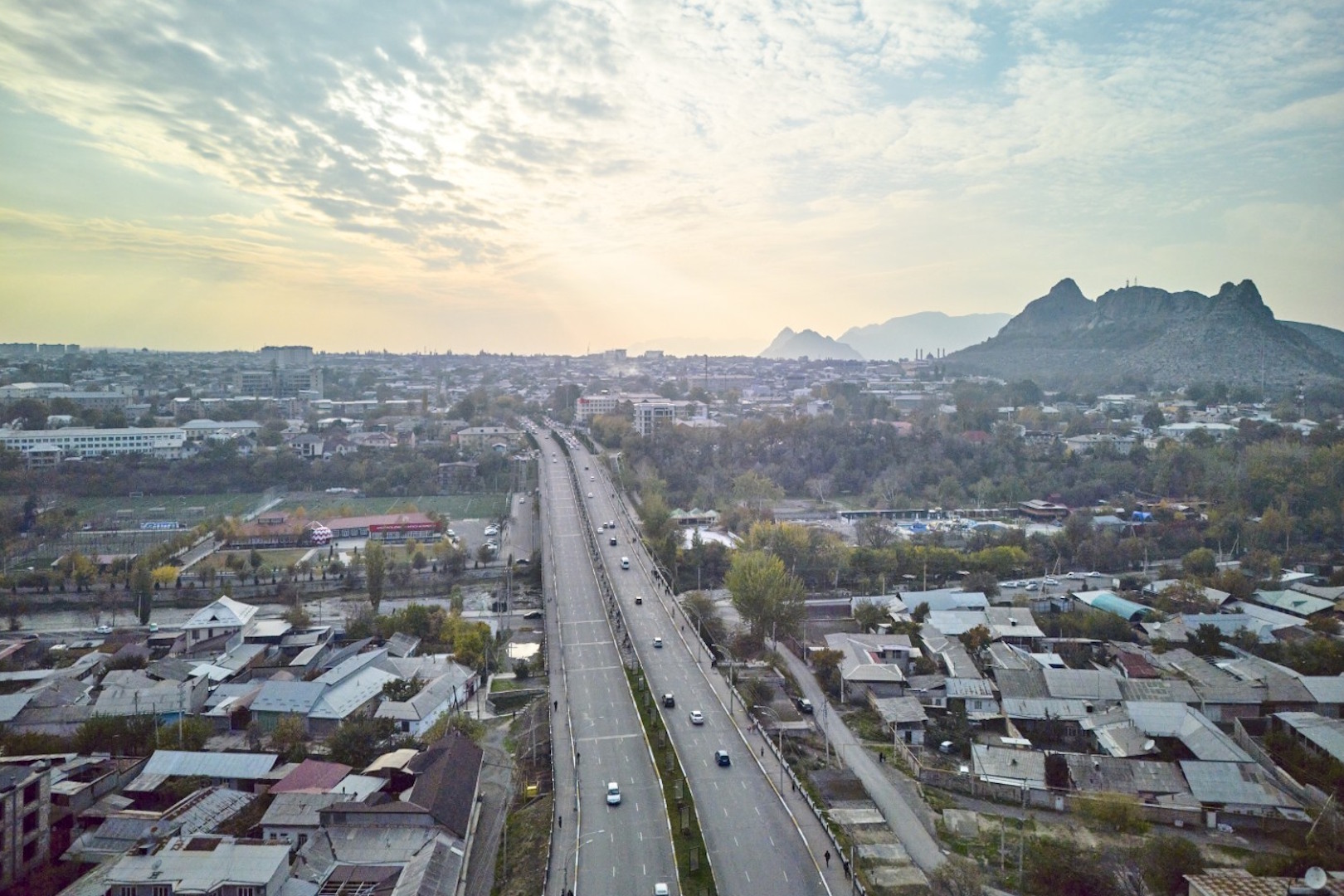
Bridges and Ak-Buura
Osh is a city of countless small bridges. Walking around the city, we often do not notice that we are crossing them, and that below…
-
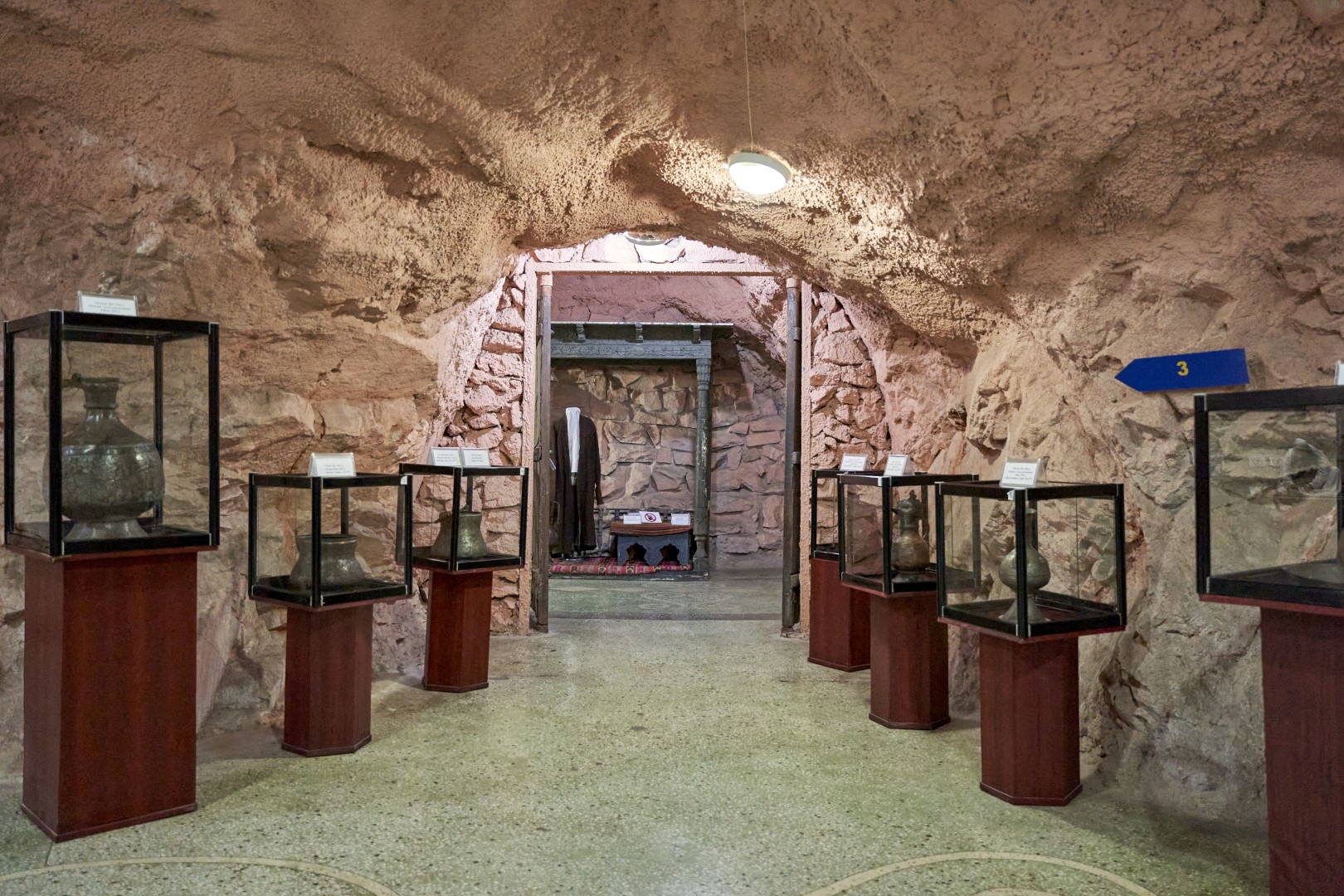
Museum in Rushan Cave
On a hot July day in 1978, the new Historical and Local History Museum of Osh, housed within a winding complex of 13 caves and…
-
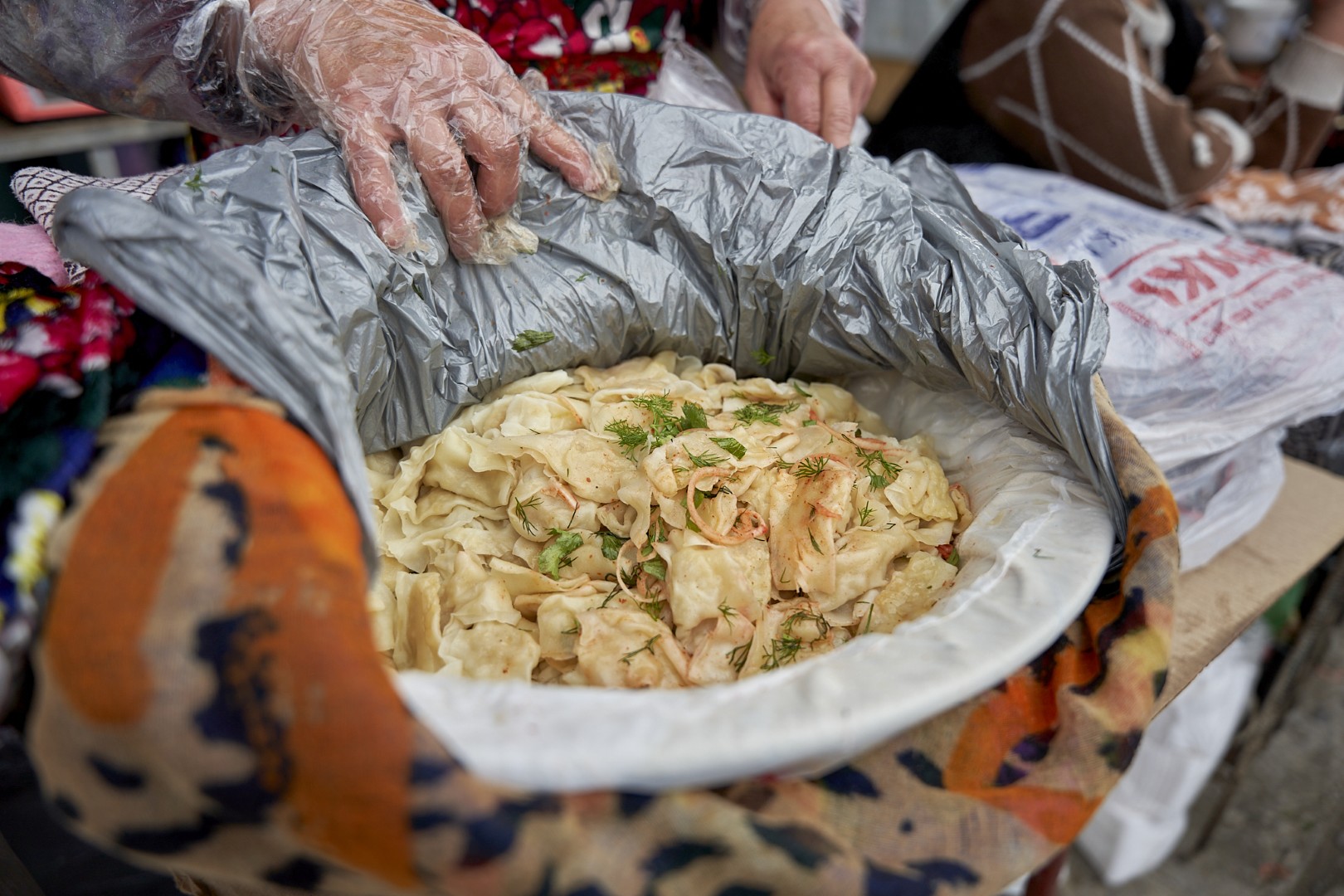
The smallest manti
Maida manti is the most popular vegetarian dish in Osh cuisine. In the past, they were called “Chychkan-manti” (or “mouse-manti”) because of their small size.…
Implementing Partners:

Project Partners:
Project Sponsors:
Initiator: