
Discover your Osh
with Open Osh!
Open Osh is more than just a guide — it’s a whole world of unique routes and places designed to show you the city from a fresh, unexpected perspective.
Take advantage of curated tours, get tips on fascinating locations, and customize your itinerary to match your interests and pace of life. Connect with the people and culture of Osh to feel the true soul and atmosphere of the city!
Tours


Locations
-
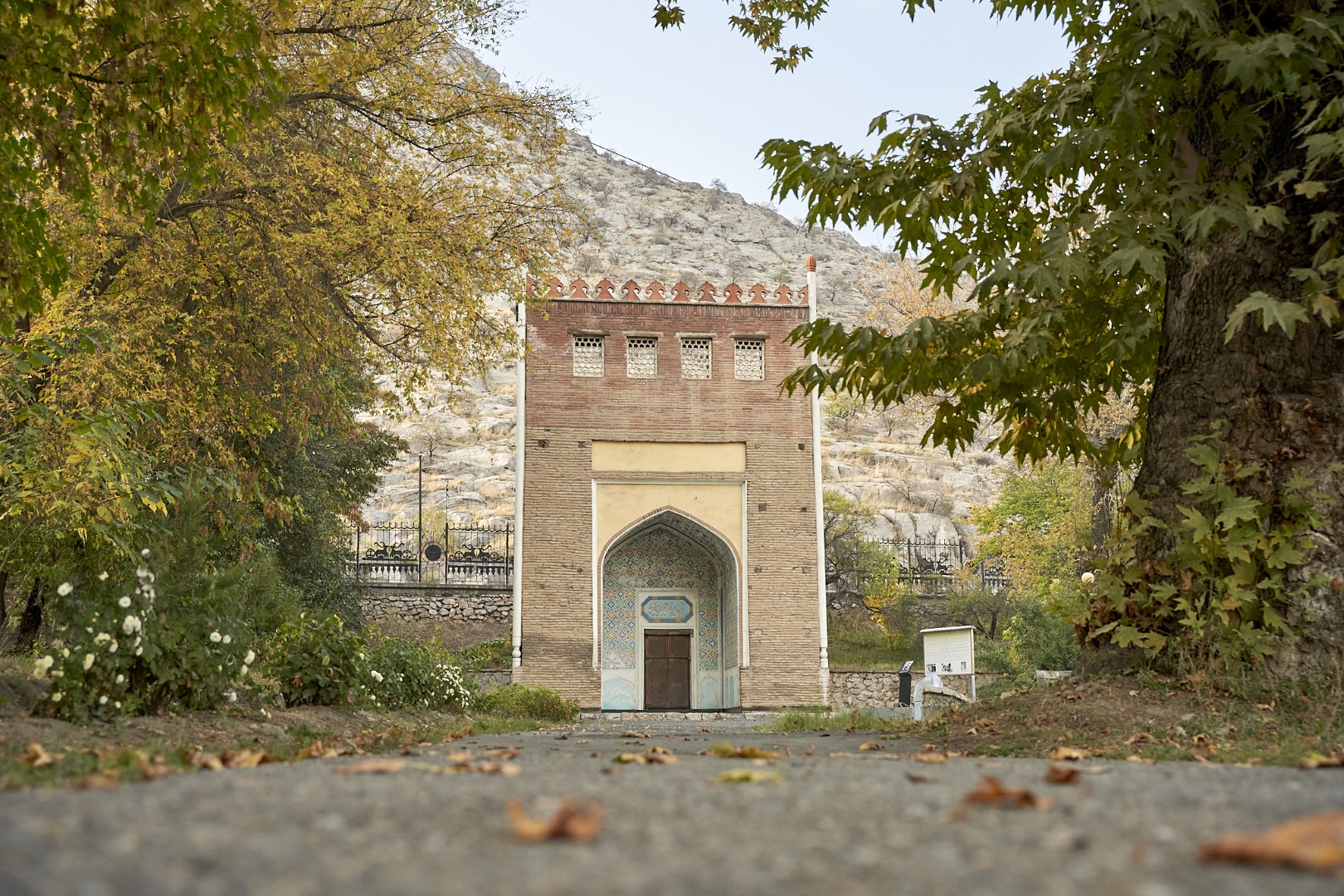
Asaf Ibn Burhia
Asaf ibn Burhia Mausoleum is located on the southeastern slope of Suleiman Mountain, and was built in the 18th century in the traditions of the Fergana architectural school. In historical chronicles it is mentioned as a mazar, or shrine.
-
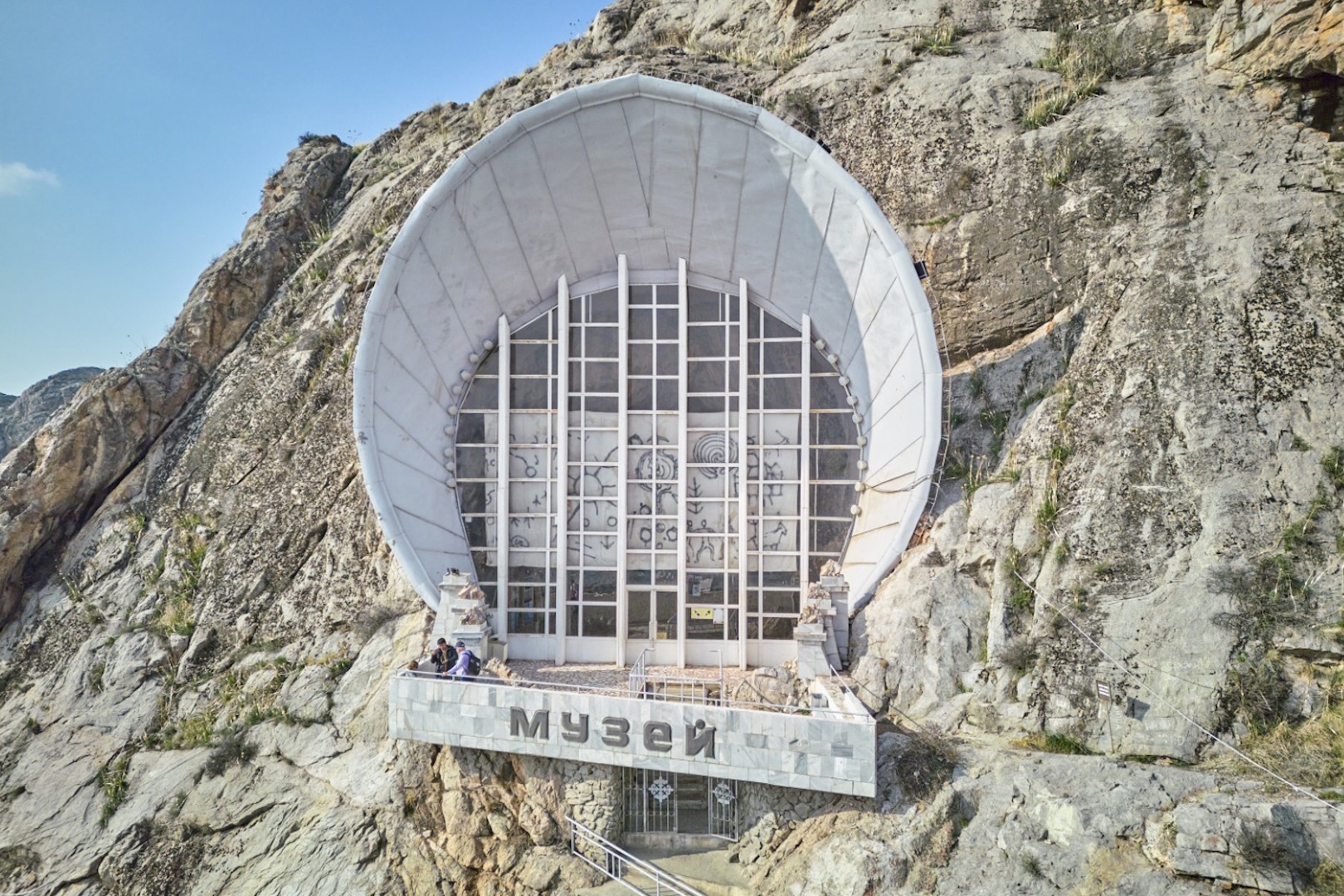
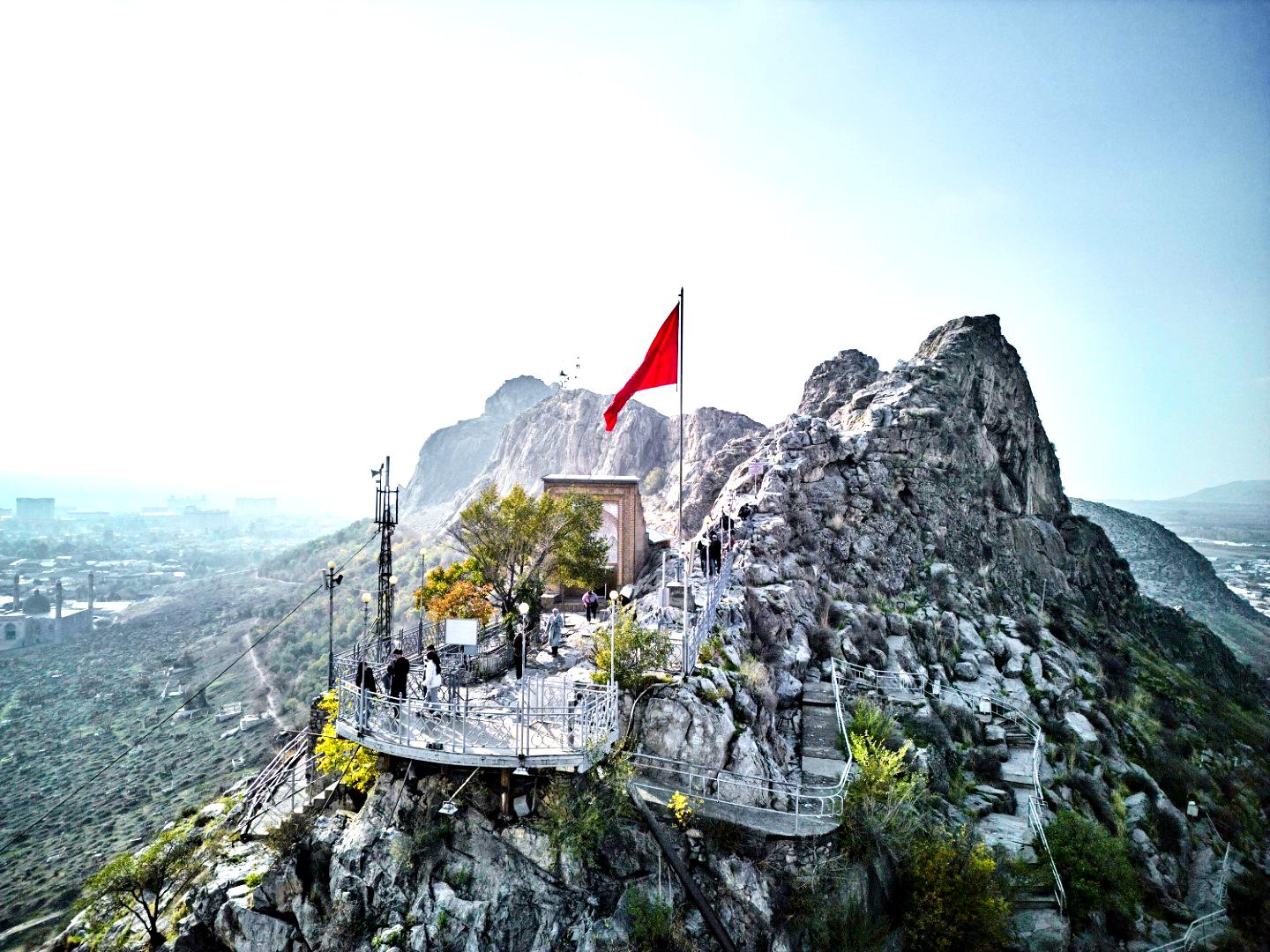
Gate of Fire at Suleiman Mountain
Ancient Osh with its majestic Suleiman Mountain has a magic power, attracting adherents of various religions and beliefs, serving as a place of pilgrimage for dervishes and wandering believers of many faiths.
-
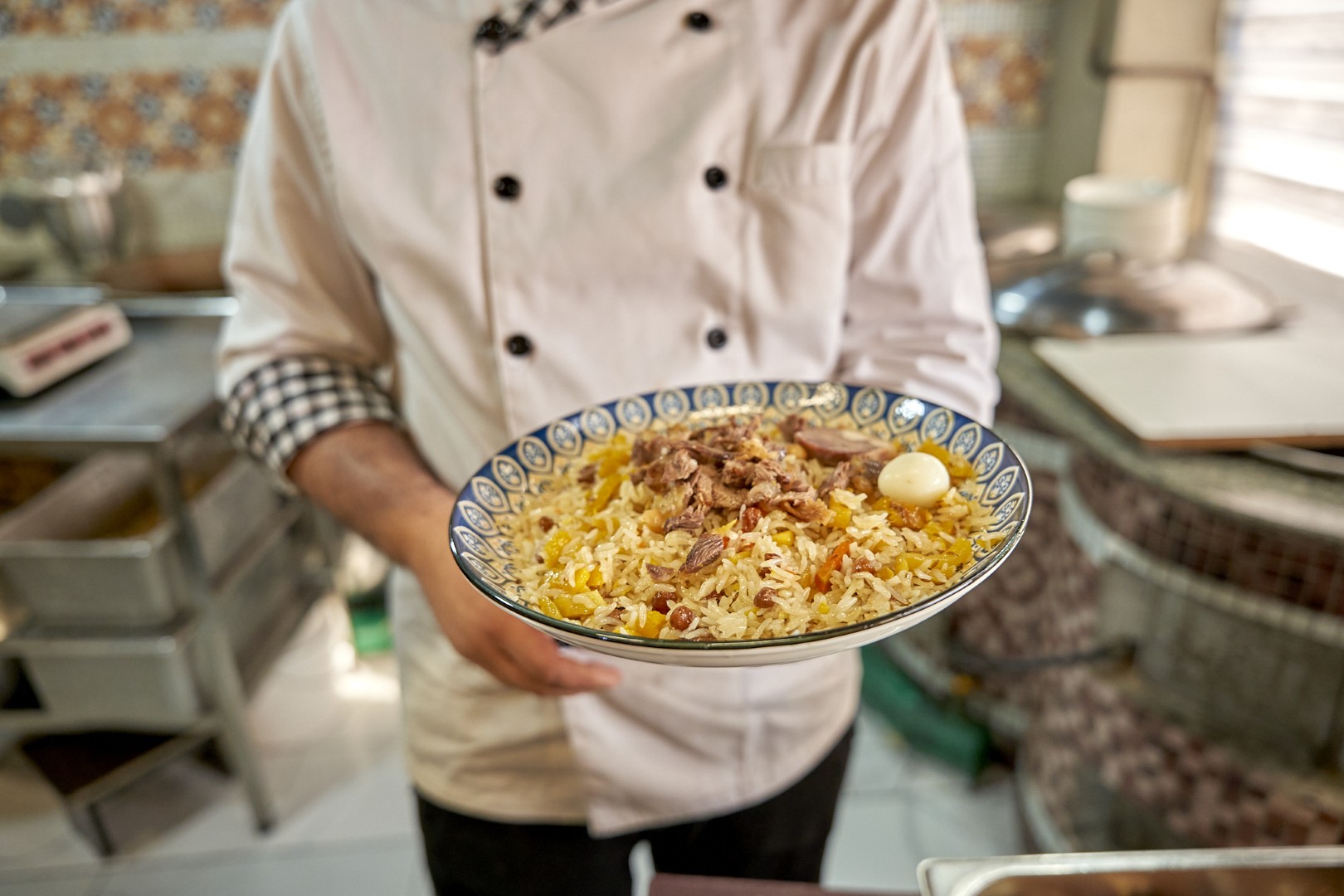
Osh Pilau
Pilau, or “ash” in Kyrgyz, is Osh’s signature dish! It’s probably no coincidence that the name of the city and of its most famous food sound so similar. In Osh, they cook a classic variant of pilau, which differs from those found in Tashkent or Samarkand. There are similarities with…
-
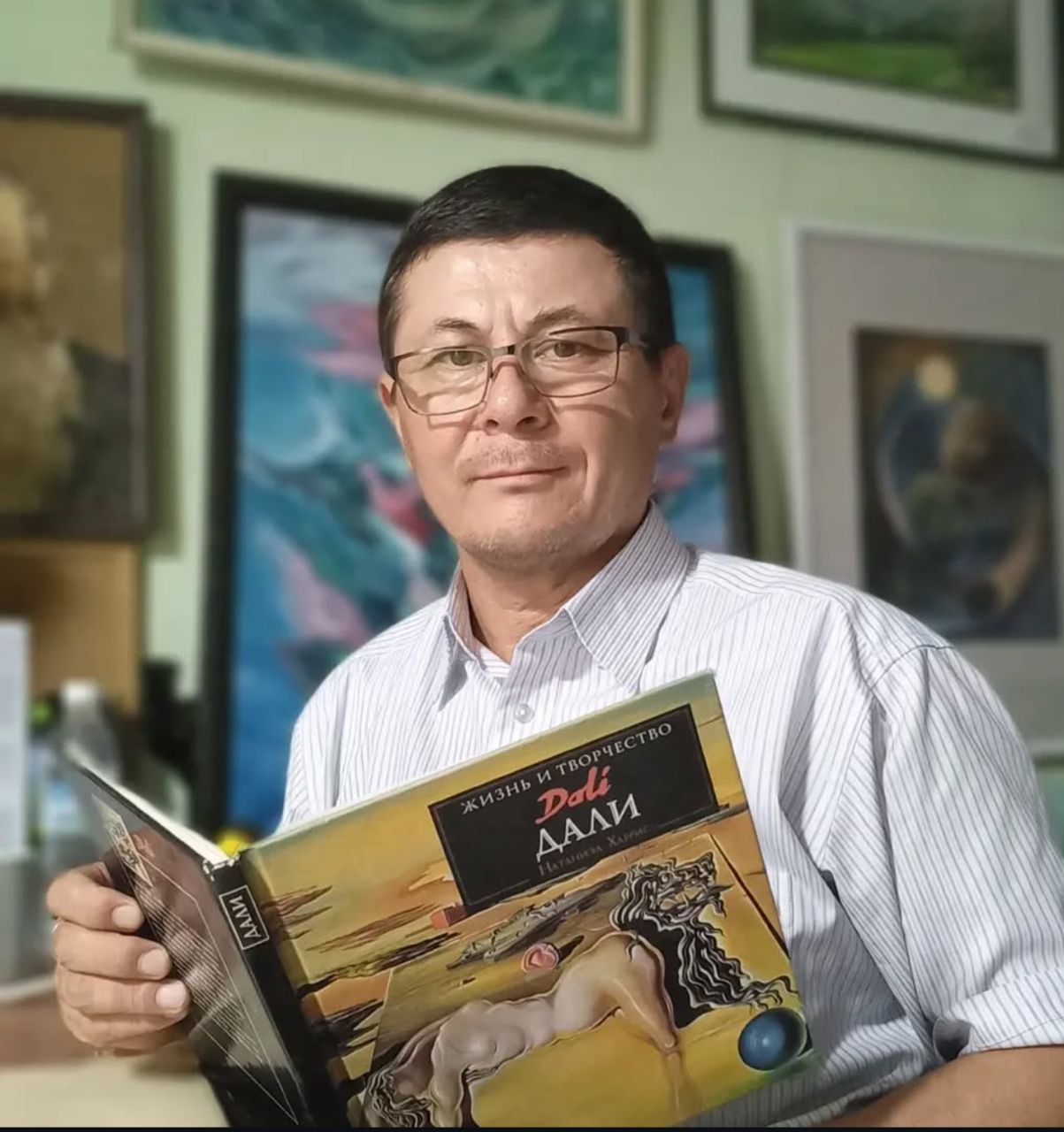
Revealing the Beauty of Osh Through Love and Color
Every city lives through its sounds, the rhythm of its streets, and the expressions of its people. But the soul of a city is born in the hands of an artist. Abdurasulzhan Umaraliev is not just a painter — he is a true master who reveals the beauty of Osh…
-
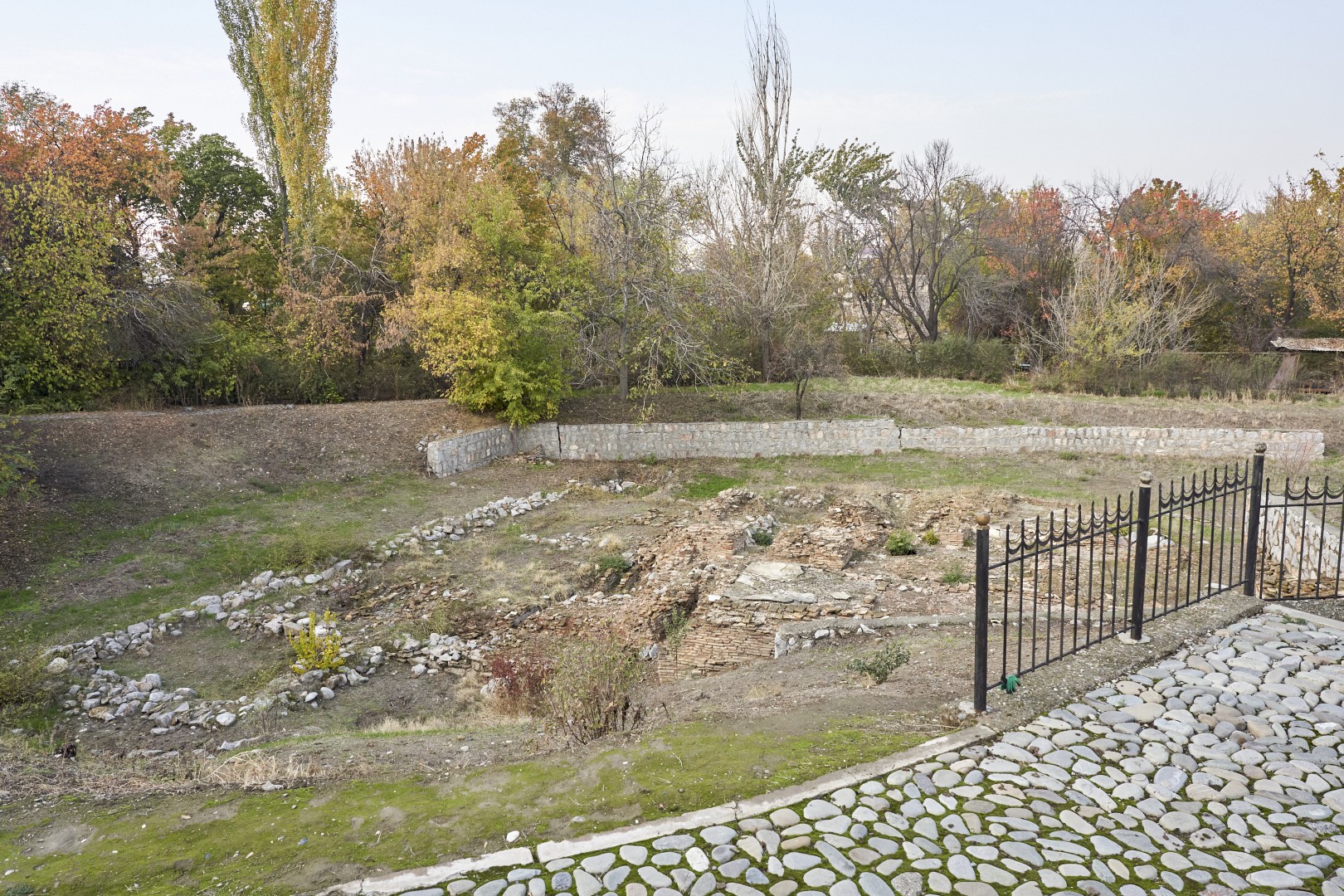
Medieval Bath
The remnants of a medieval bathhouse at the northern foot of Suleiman Mountain were discovered quite unexpectedly in 1984 during construction work for a new pavilion.
-
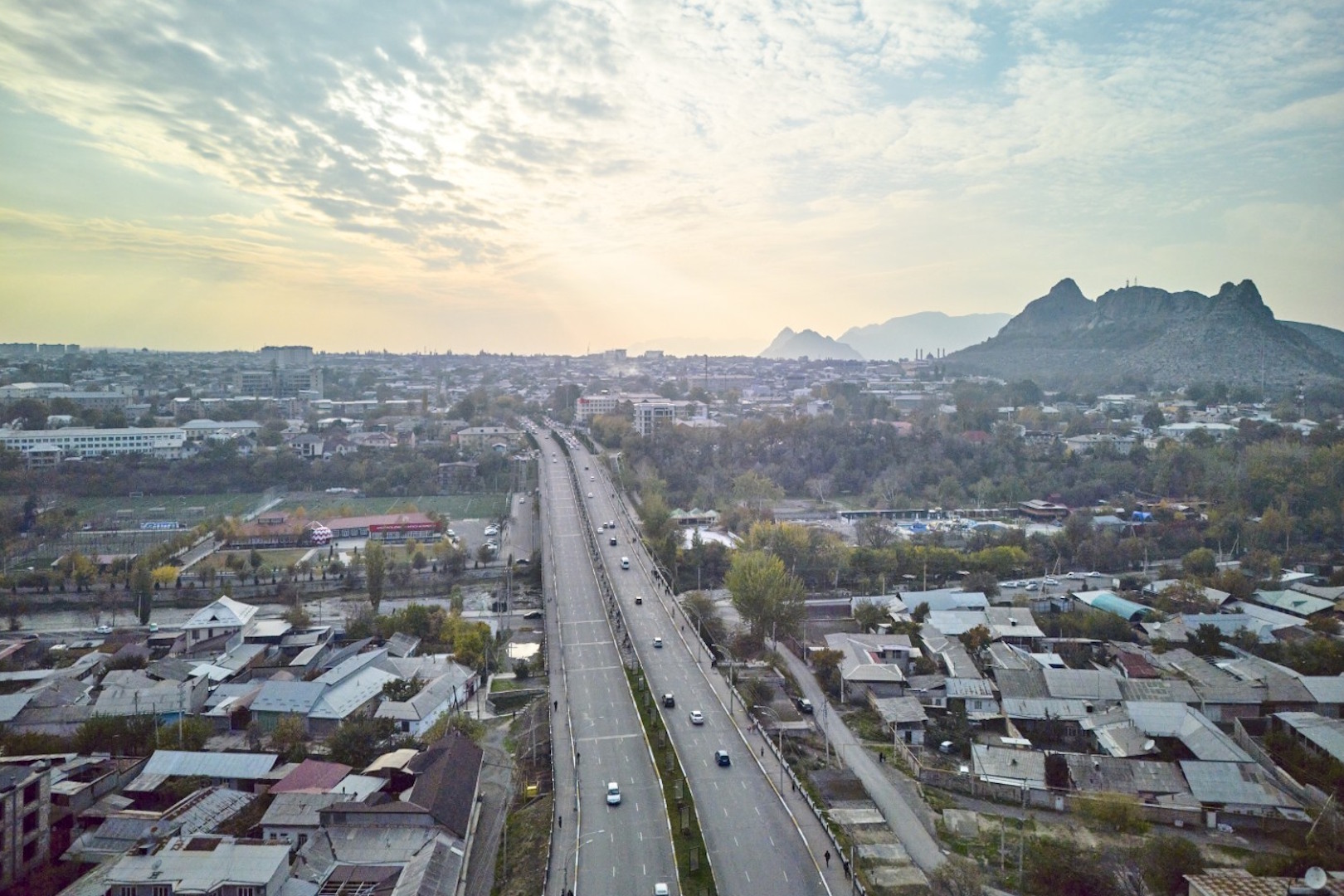
Bridges and Ak-Buura
Osh is a city of countless small bridges. Walking around the city, we often do not notice that we are crossing them, and that below us are numerous canals. Most of the bridges are located on the Ak-Buura River. It flows through the center of Osh, dividing the city into…
-
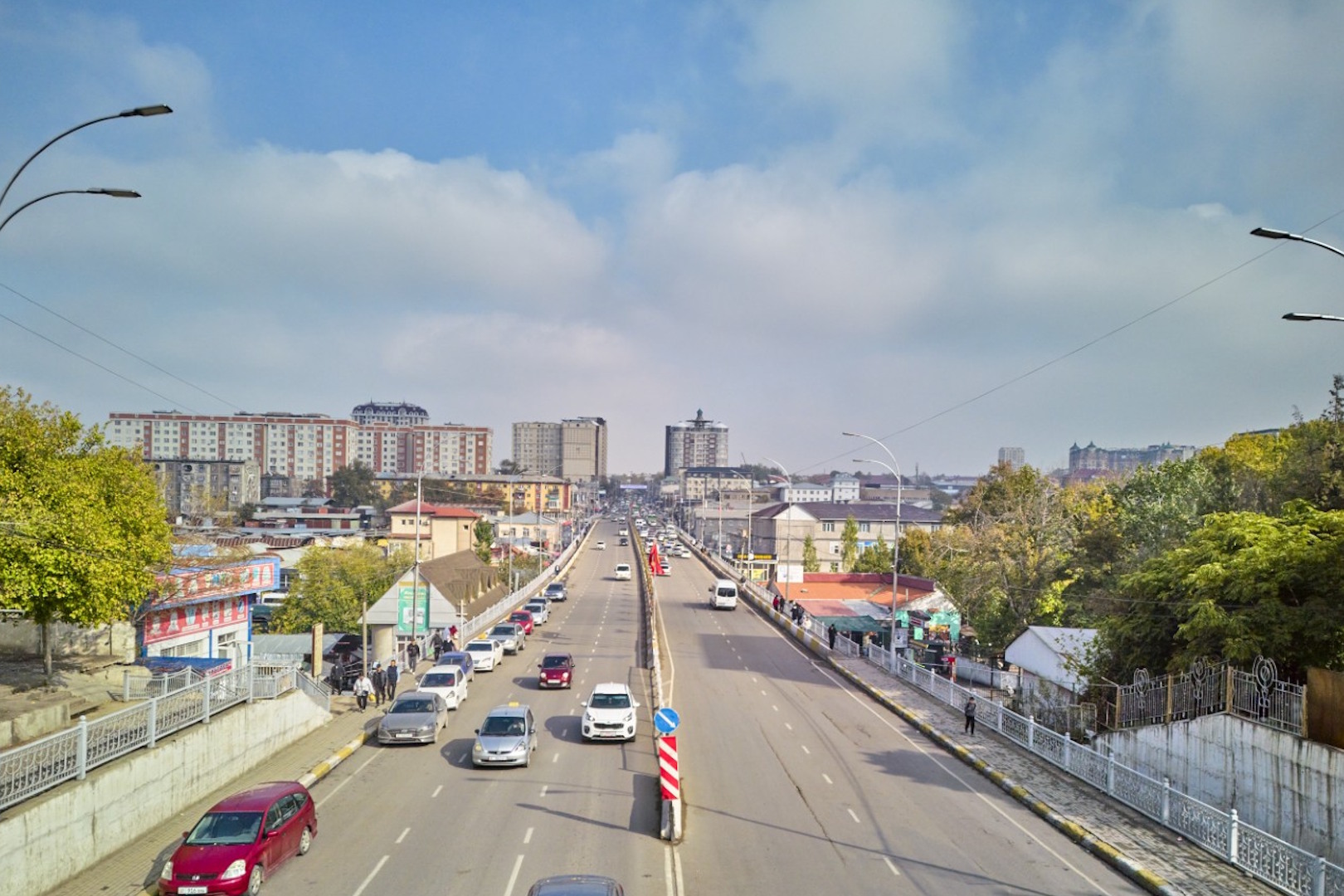
The road to the Pamirs starts in Osh!
The Pamir Highway begins in Osh! The Pamir Highway, one of the highest mountain routes in the world, is an extraordinary landmark and starts right here. It was laid along the old Silk Road caravan routes in 1894 by engineers of the Imperial Russian Army led by Mickiewicz, Burakovsky and…
-
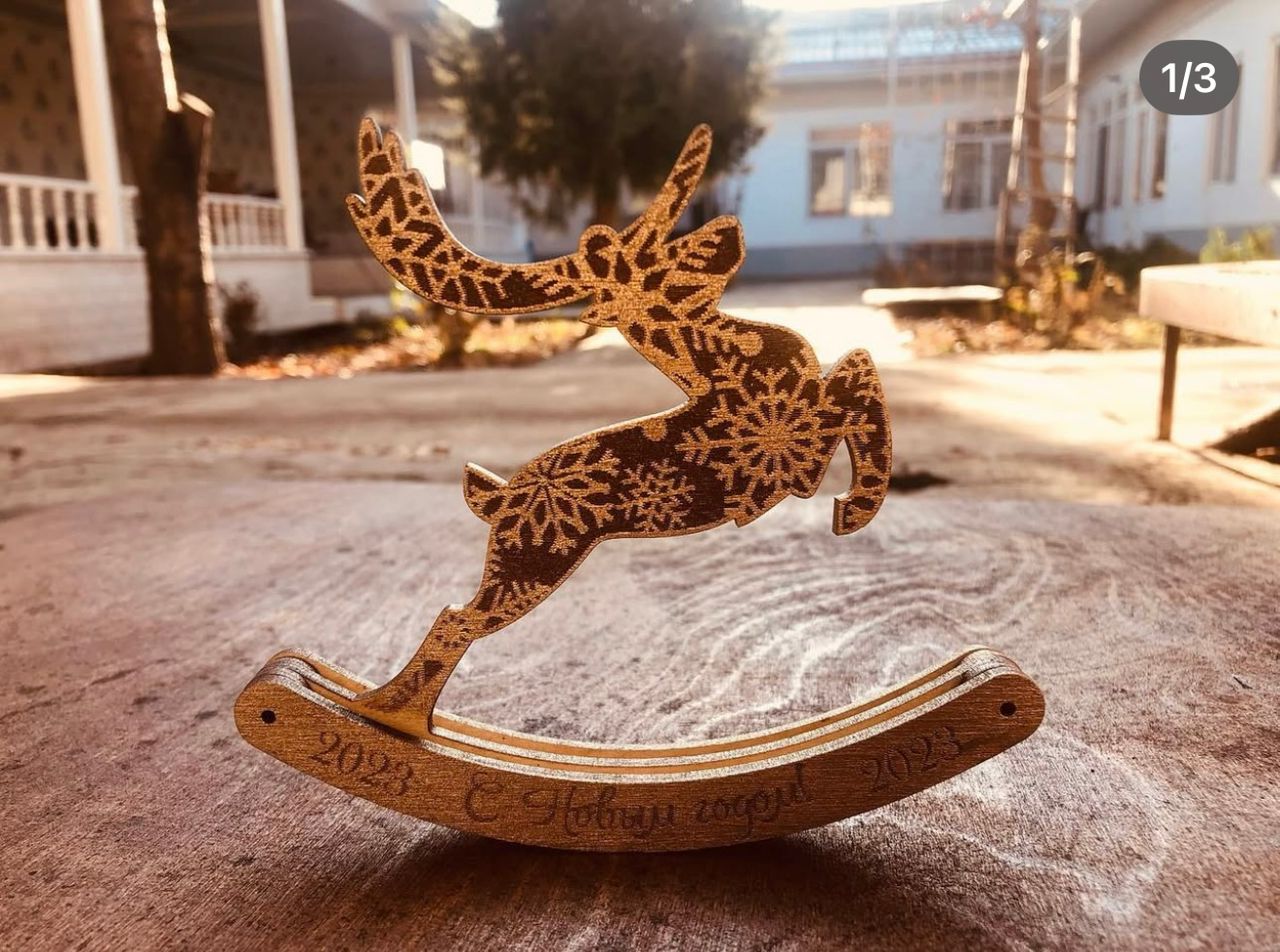
Production of original Kyrgyz national gifts and souvenirs.
Production of original Kyrgyz national gifts and souvenirs.

Implementing Partners:


Project Partners:
Project Sponsors:

Initiator: