
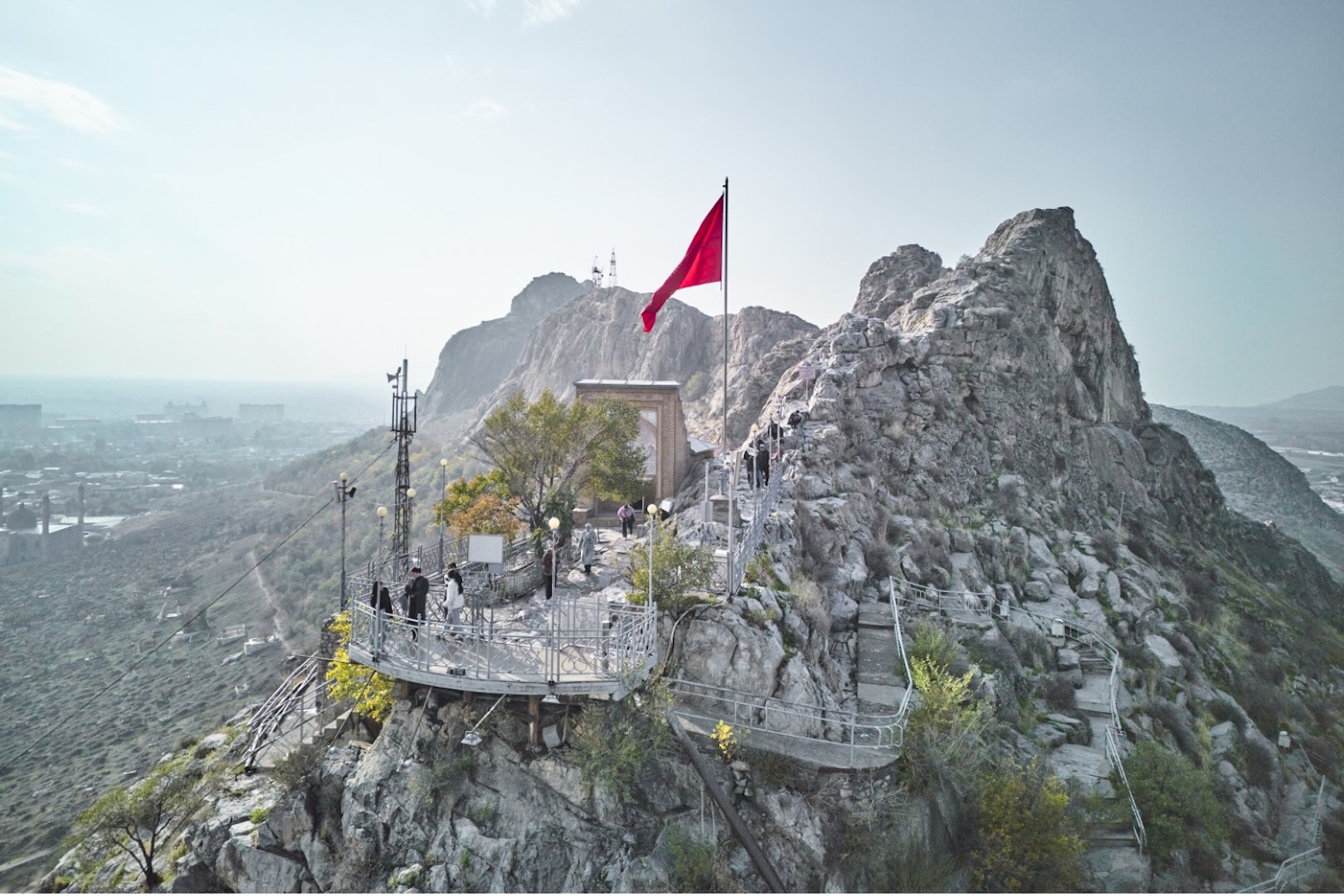
Suleiman Mountain
Welcome to Suleiman Mountain! Suleiman Mountain is the central landmark of Osh. Whichever side of the city you enter from, you see its distinctive outline proudly rising about the historical centre.
It was here at the foot of Suleiman Mountain that the ancient city of Osh was born. On the terraces of the southern slope of the mountain, archaeologists have found irrefutable evidence of the existence of the Osh settlement of the Chust culture, dating back to the late 2nd and early 1st millennium B.C.
The khanates and empires have changed, rulers have come and gone, but Suleiman’s mountain has never lost its significance and sacredness, remaining a landmark for many generations.
Here is an interesting fact: prior to the 16th century, the mountain was called Bara Kukh, “the beautiful mountain” in Persian, with the name Suleiman Mountain being given later. Despite this, the mountain was inseparably linked to the name of the biblical king Suleiman (Solomon) throughout history through legend and lore. The chronicles of the 19th and 20th centuries also call it “Takht-e Soleymān”, meaning “Suleiman’s Throne”. It rises above the city much like a throne, as if looking over and guarding the south-eastern outskirts of the Fergana Valley.
Locations of the Tour
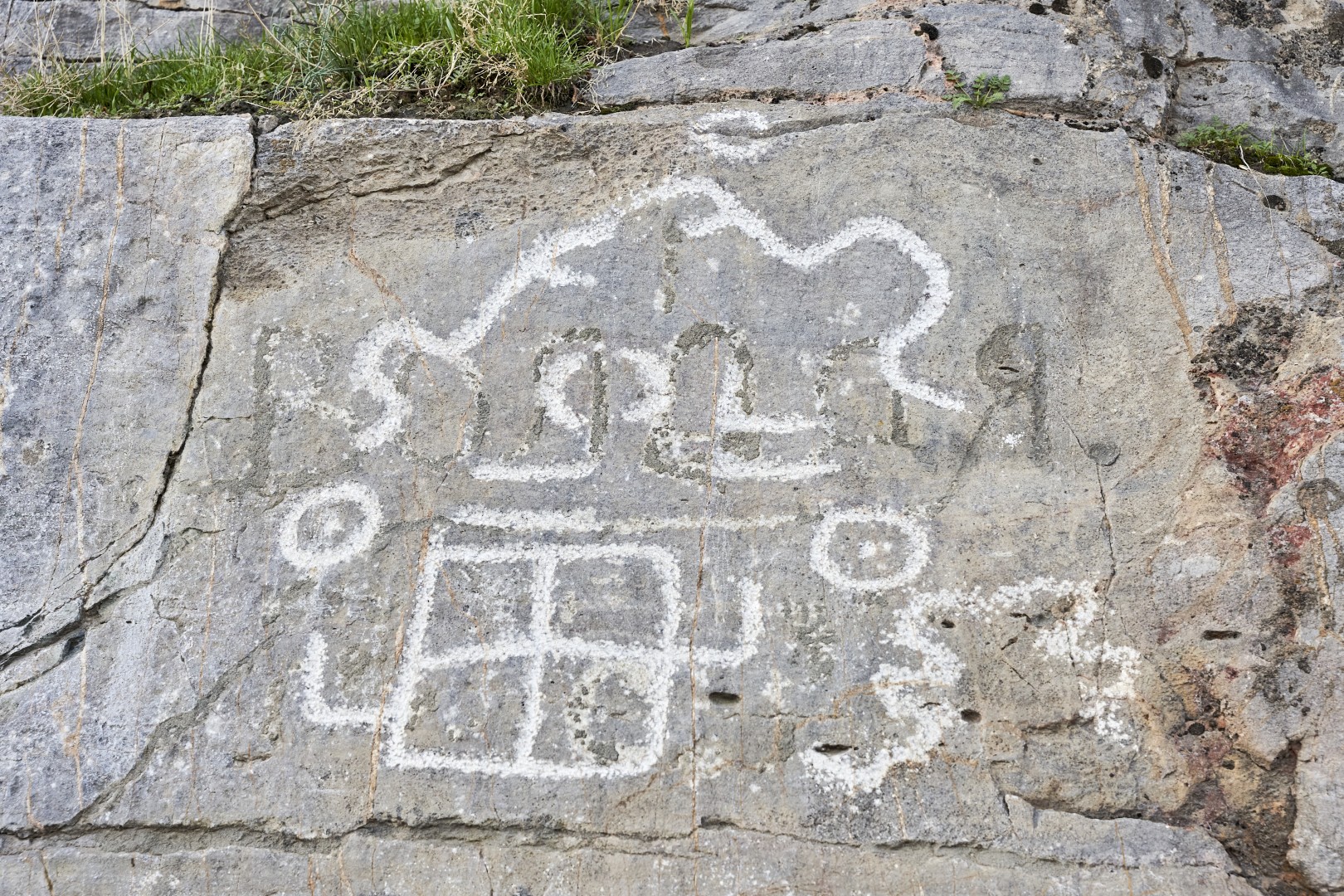
- Rock CarvingsPetroglyphs, visual remnants of Osh’s millennia-old history, can be found almost everywhere on Suleiman Mountain. They are most numerous on the southern, eastern, southeastern and southwestern slopes of all five peaks. Some of them are located in accessible areas, others in caves and grottoes. According to a conservative estimate, there are about 400 rock carvings scattered across the mountain.
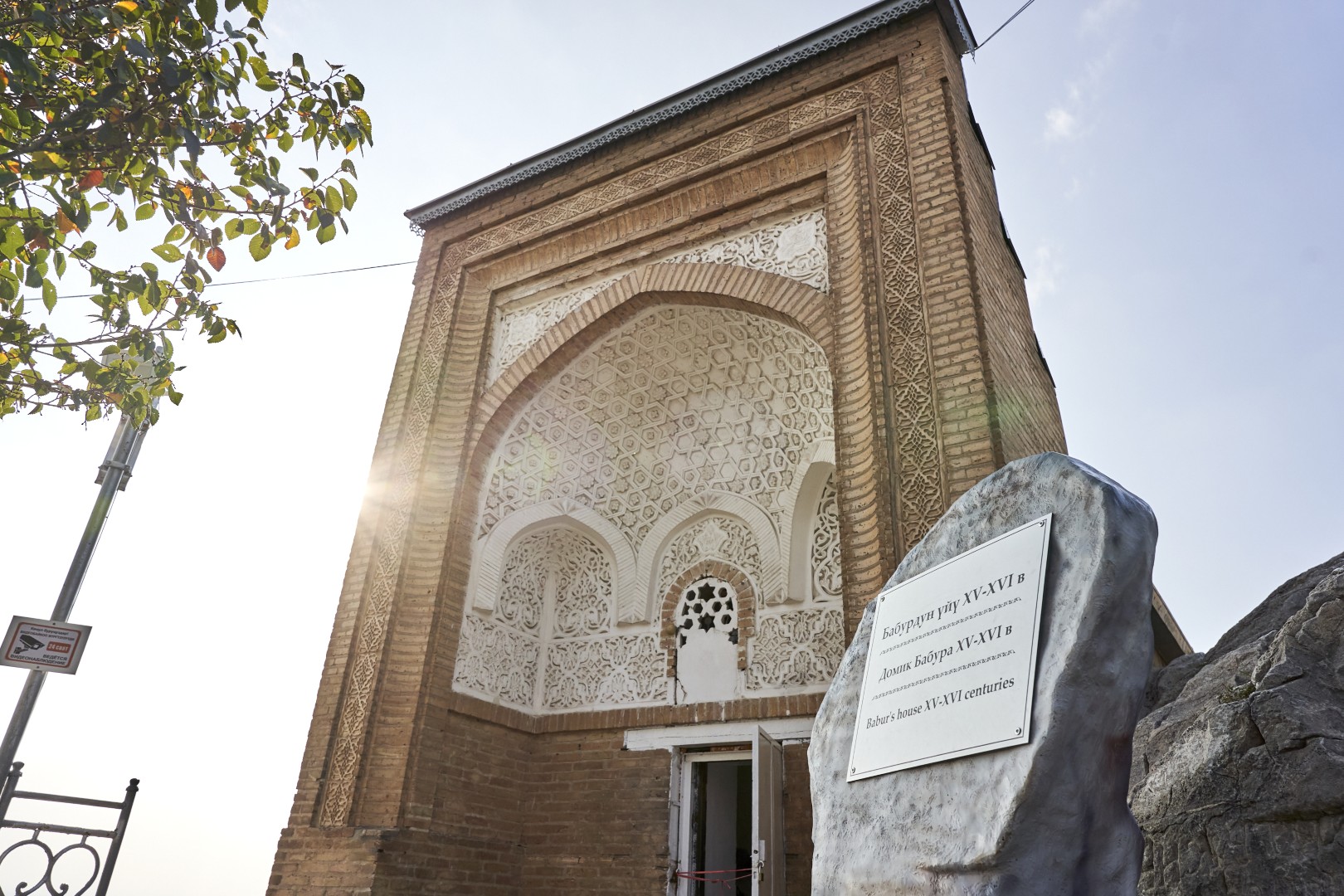
- Hujra of Babur, the Founder of the Mughal EmpireThe most famous historical monument on Suleiman Mountain is the hujra of Zahīr ud-Dīn Muhammad Babur, the founder of the Mughal Empire in the Hindustan Peninsula. In Islamic tradition, a hujra is a small cell or room in a madrasah where pilgrims prayed and rested.
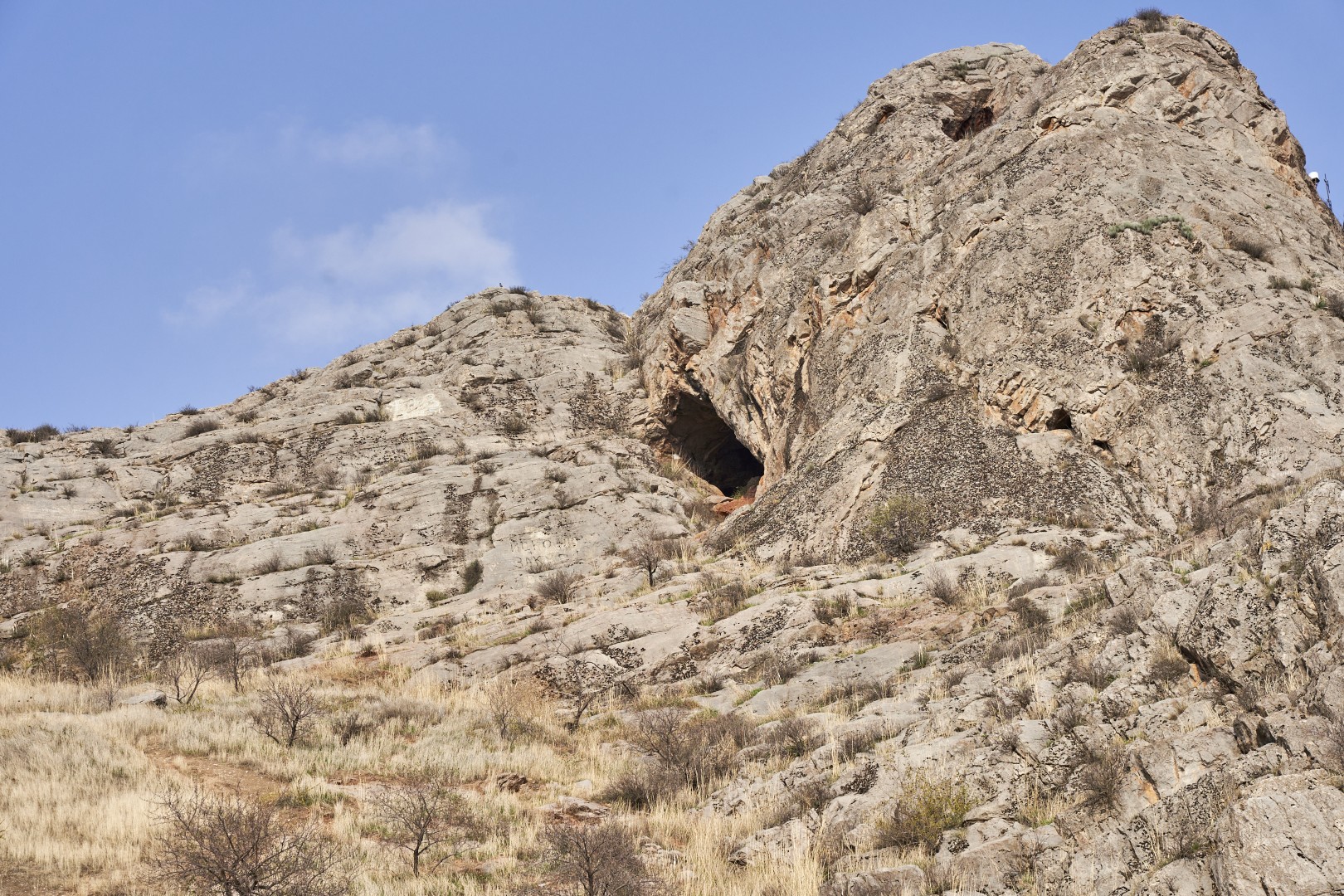
- Peaks and Caves of Suleiman MountainSuleiman Mountain is a five-headed limestone remnant that measures 1140 meters long by 569 meters wide, located at an altitude of over 1000 meters above sea level in the southeastern part of the Fergana Valley, in the historic center of Osh.
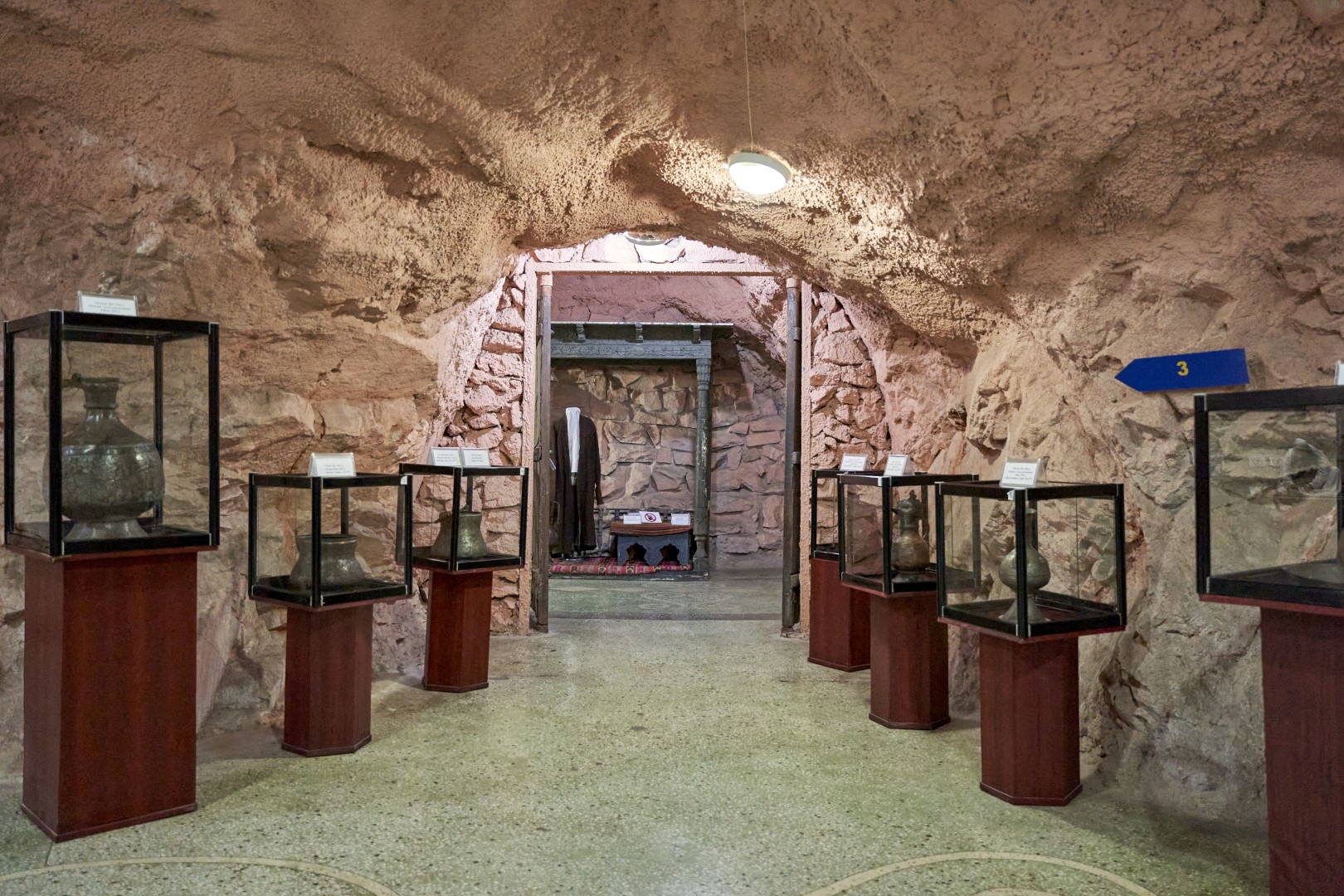
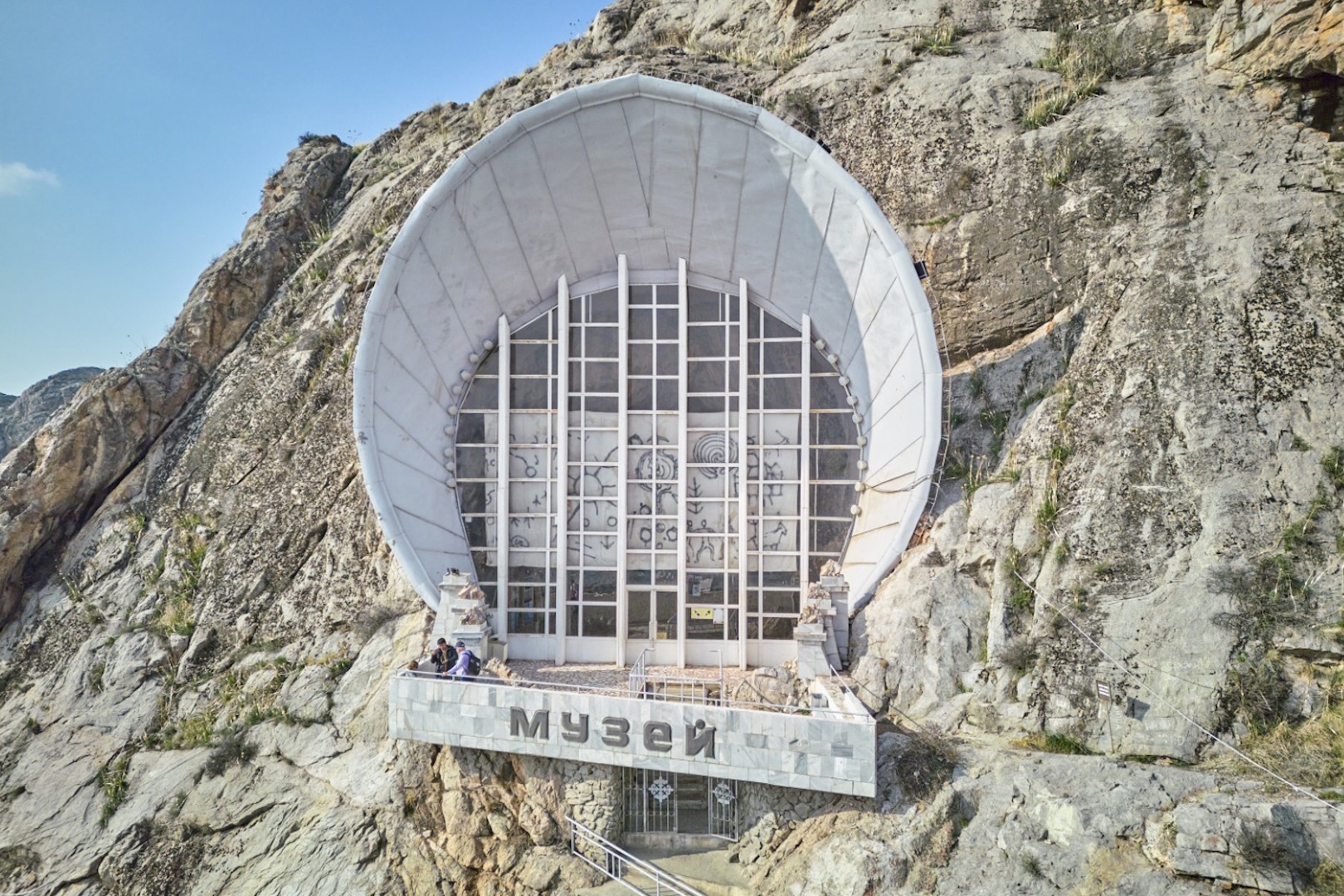
- Museum in Rushan CaveOn a hot July day in 1978, the new Historical and Local History Museum of Osh, housed within a winding complex of 13 caves and with an exhibition area of 752 square metres, was opened on Suleiman Mountain!
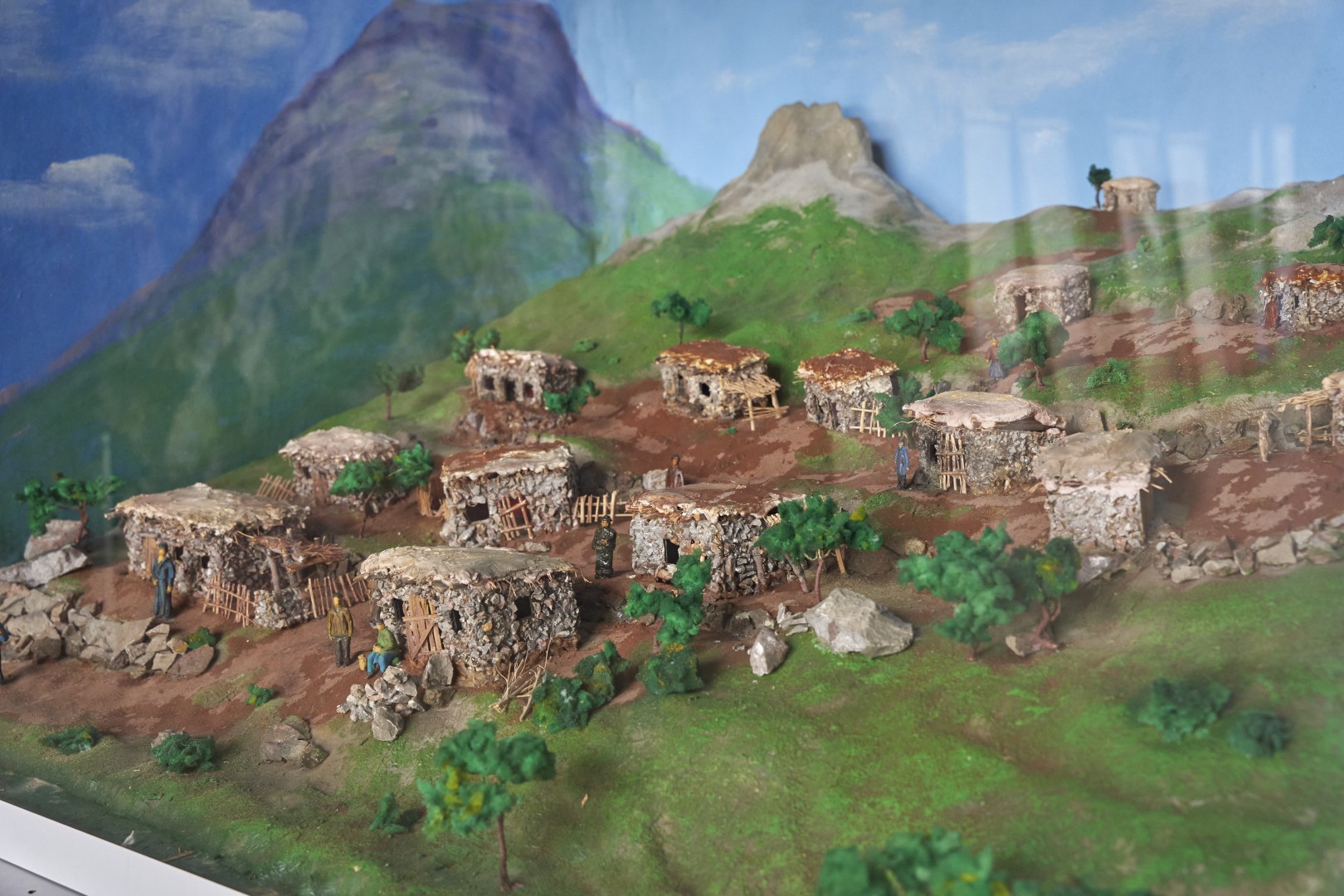
- The beginning: Osh settlementIn 1967, Elena Druzhinina, the Head of the Pre-Soviet History Department of the Osh Regional Local History Museum, found fragments of ceramics identical in origin and decoration to those of the Chust culture on the southern slope of Suleiman Mountain. This archaeological find marks the beginning of the 3,000-year-old history of Osh. At the time, however, the historian was unaware of the full scale of her find.
- Gate of Fire at Suleiman MountainAncient Osh with its majestic Suleiman Mountain has a magic power, attracting adherents of various religions and beliefs, serving as a place of pilgrimage for dervishes and wandering believers of many faiths.

Other Locations
-
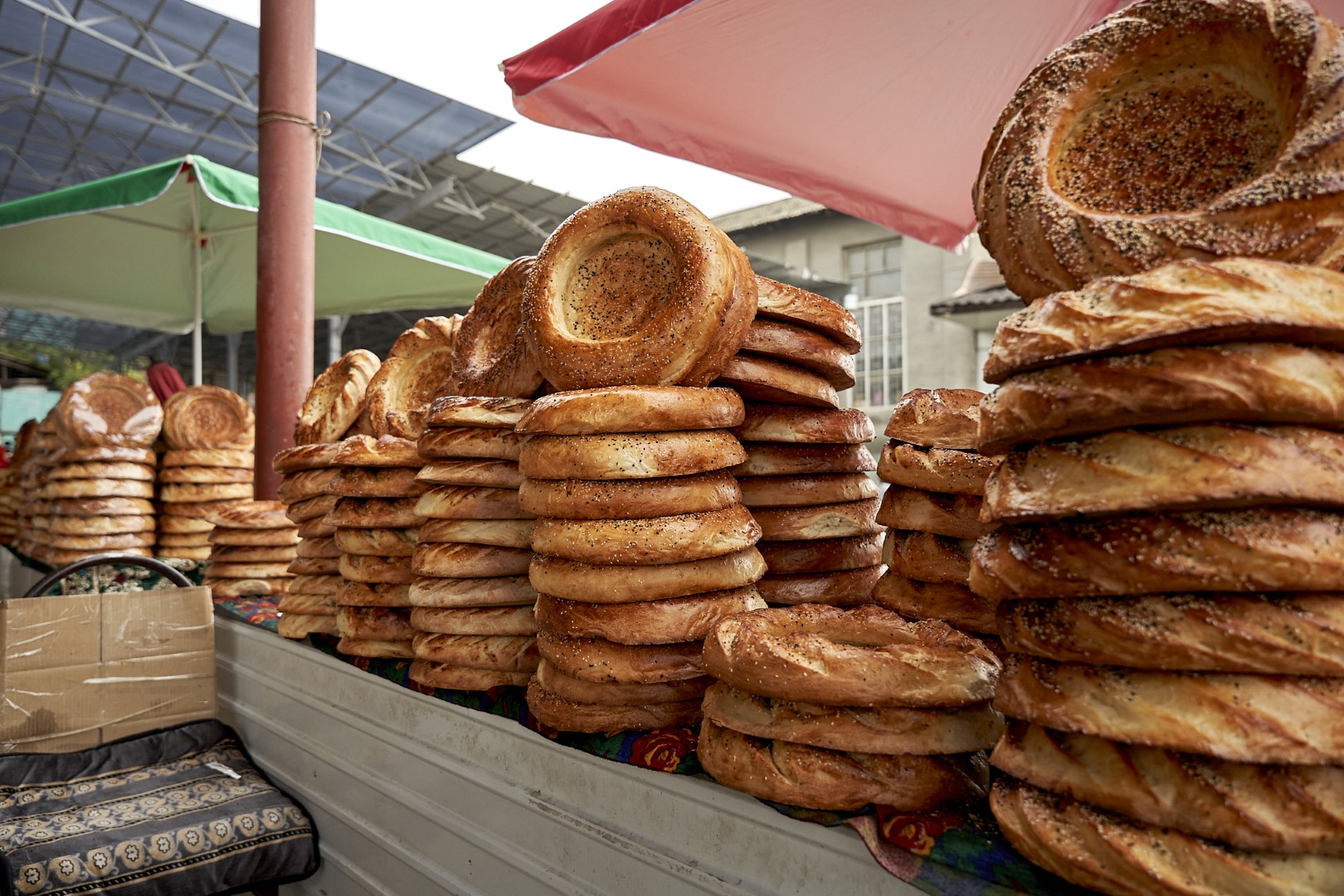
Navai-Nan: Delicious Flatbreads of the South
Nowhere else in Kyrgyzstan is there such a variety of tandoor flatbreads as in Osh! In almost every quarter there is a tandoor stand, where…
-
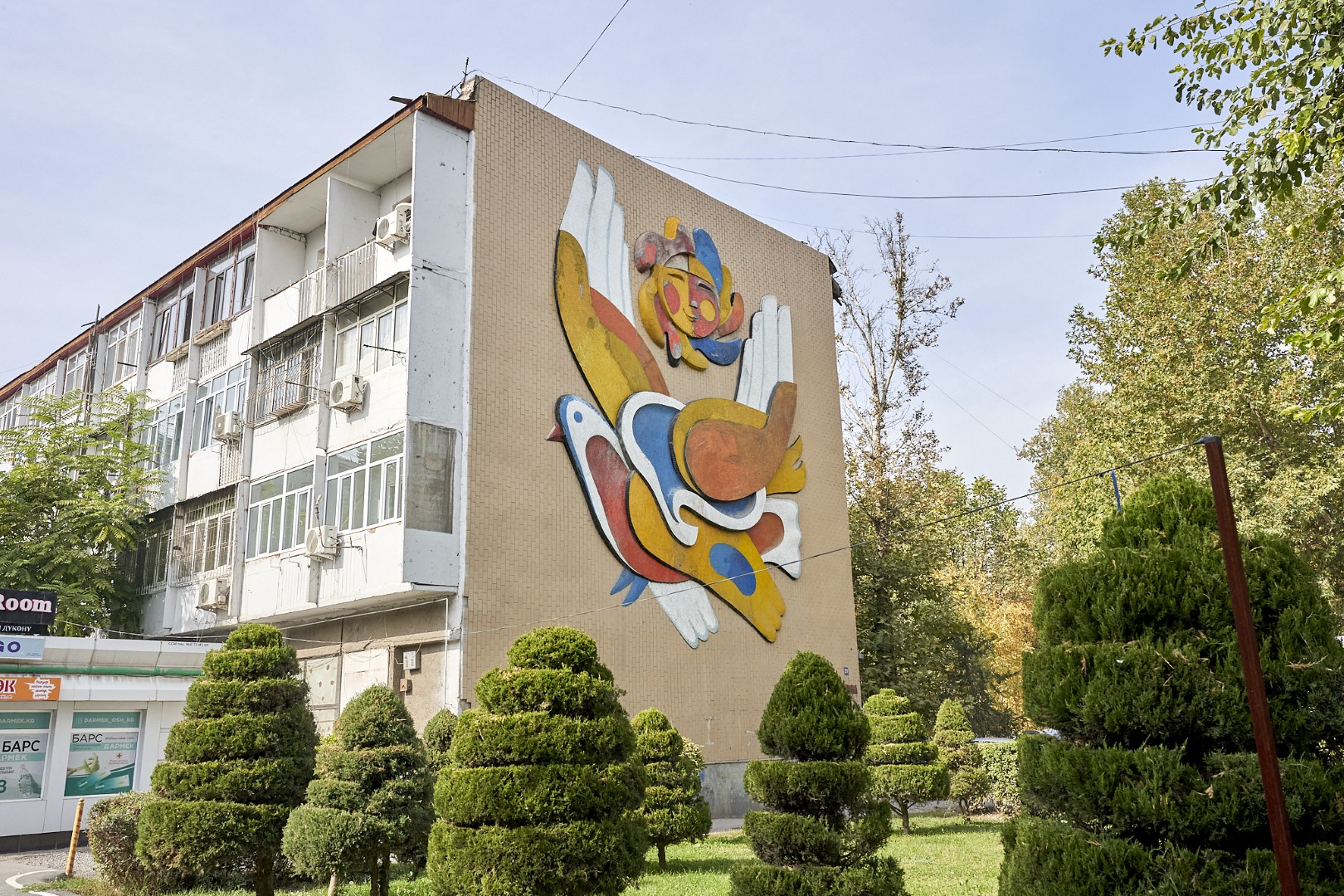
Mosaics as symbols of the era
Monumental mosaics, still preserved on some buildings in Osh, are an instantly-recognizable hallmark of the Soviet period in the history of the city. The first…
-
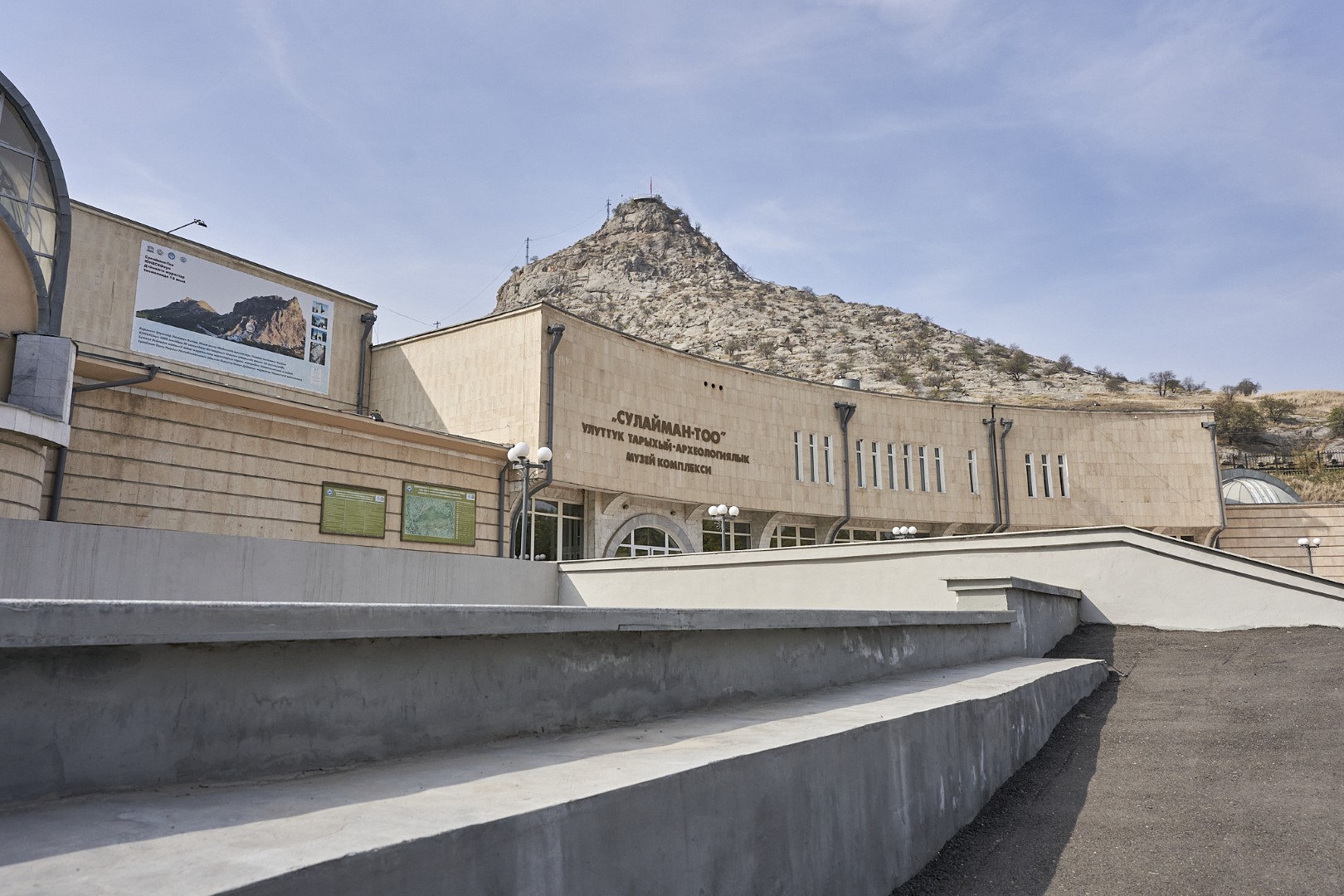
“Zero Milestone”: At the foot of Suleiman Mountain
The square at the foot of Suleiman Mountain’s north face has not always been the open and lively place it is today. Until the 1970s,…
-
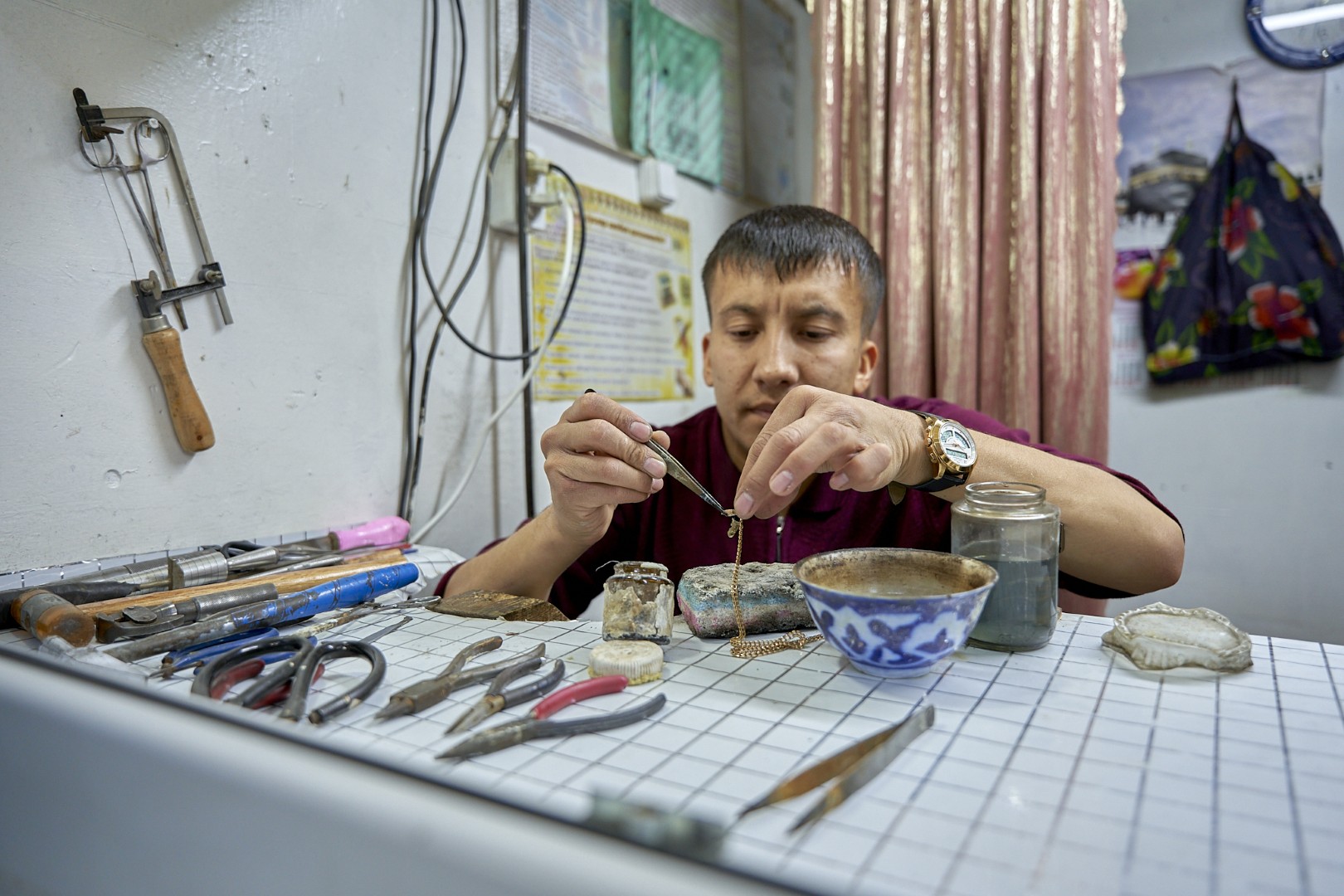
Altyn Bazaar
Start your walk around the old bazaar at one of the oldest passageways on Lenin Street, near the historical Sheyit-Tepe neighborhood. It is not visible…
-
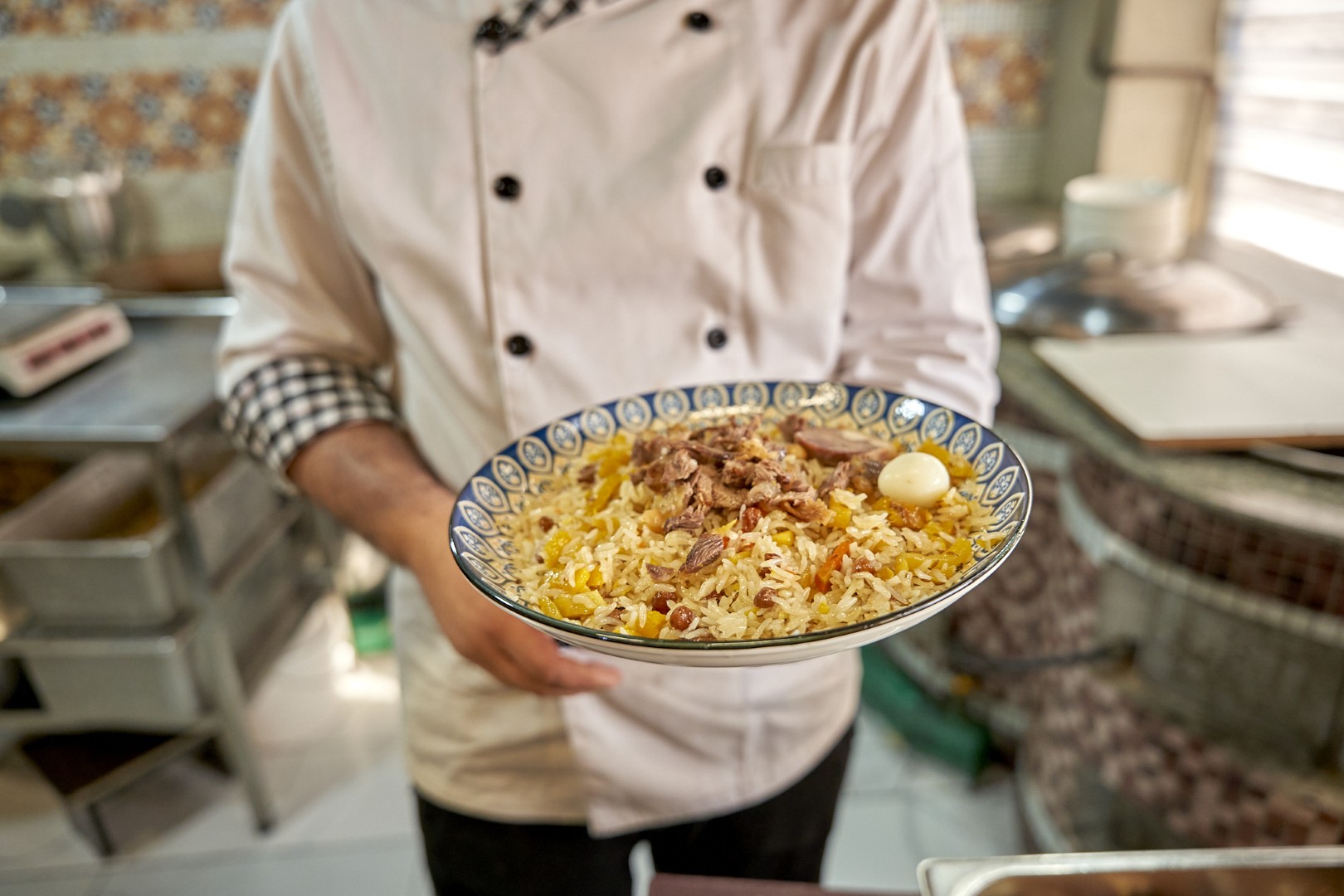
Osh Pilau
Pilau, or “ash” in Kyrgyz, is Osh’s signature dish! It’s probably no coincidence that the name of the city and of its most famous food…
-
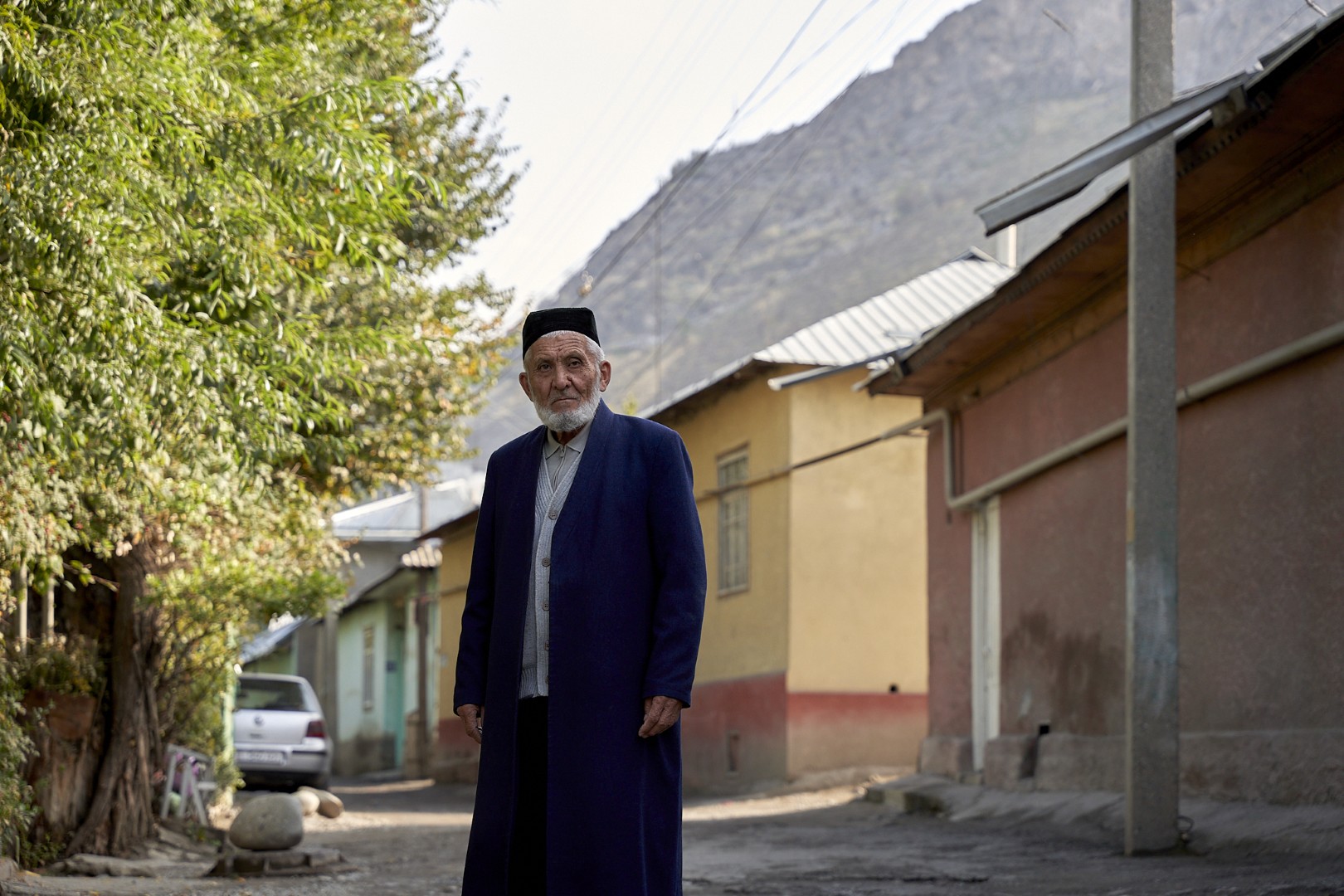
Artisans Quarter
Artisans Quarter is one of the favorite urban subjects of Osh painters. After Suleiman Mountain, it is the most recognizable location portrayed by local landscape…
-
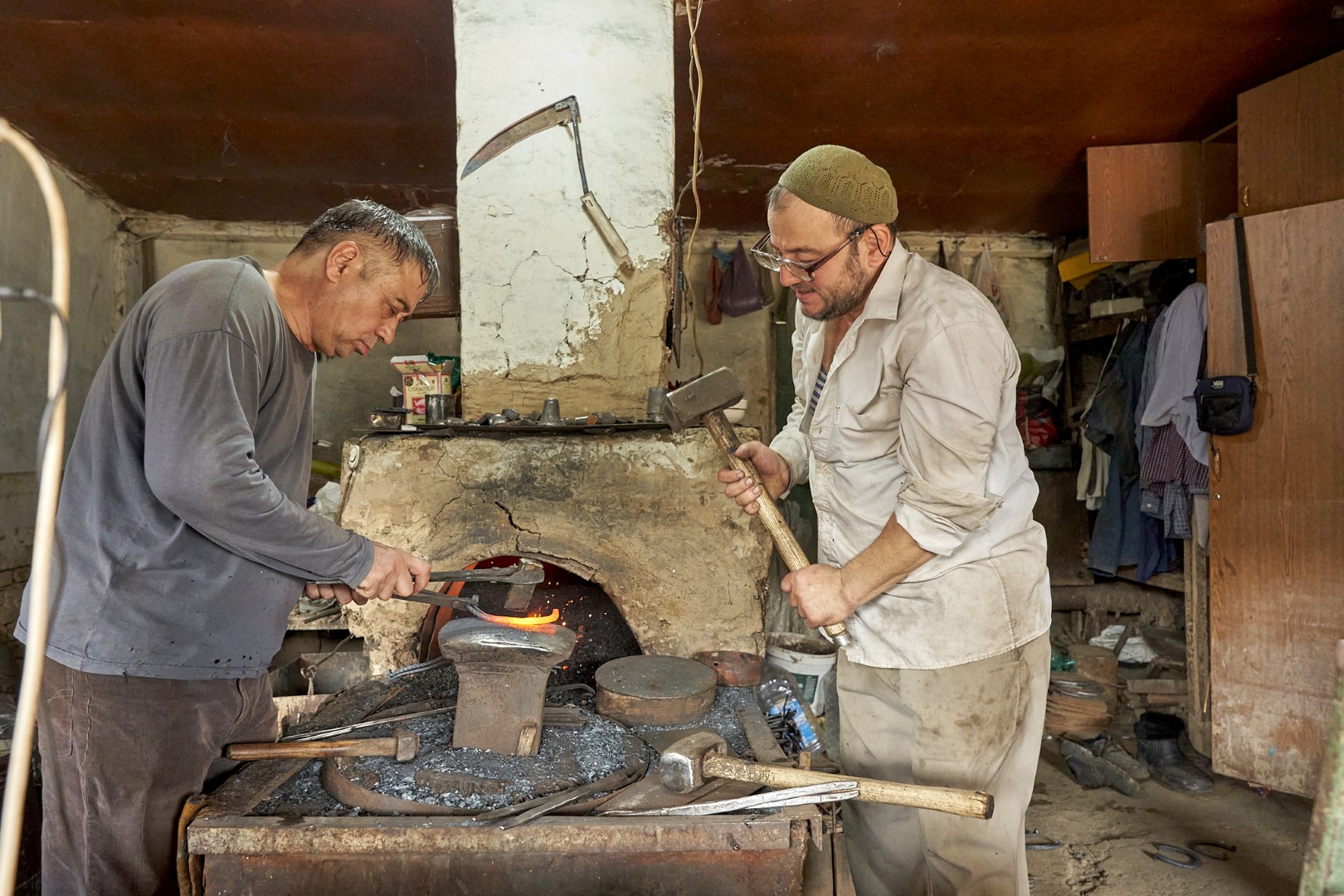
Blacksmiths’ Row
The blacksmiths’ row is situated on the bank of the Ak-Buura, in the most colourful part of the old bazaar, as it has been for…
-
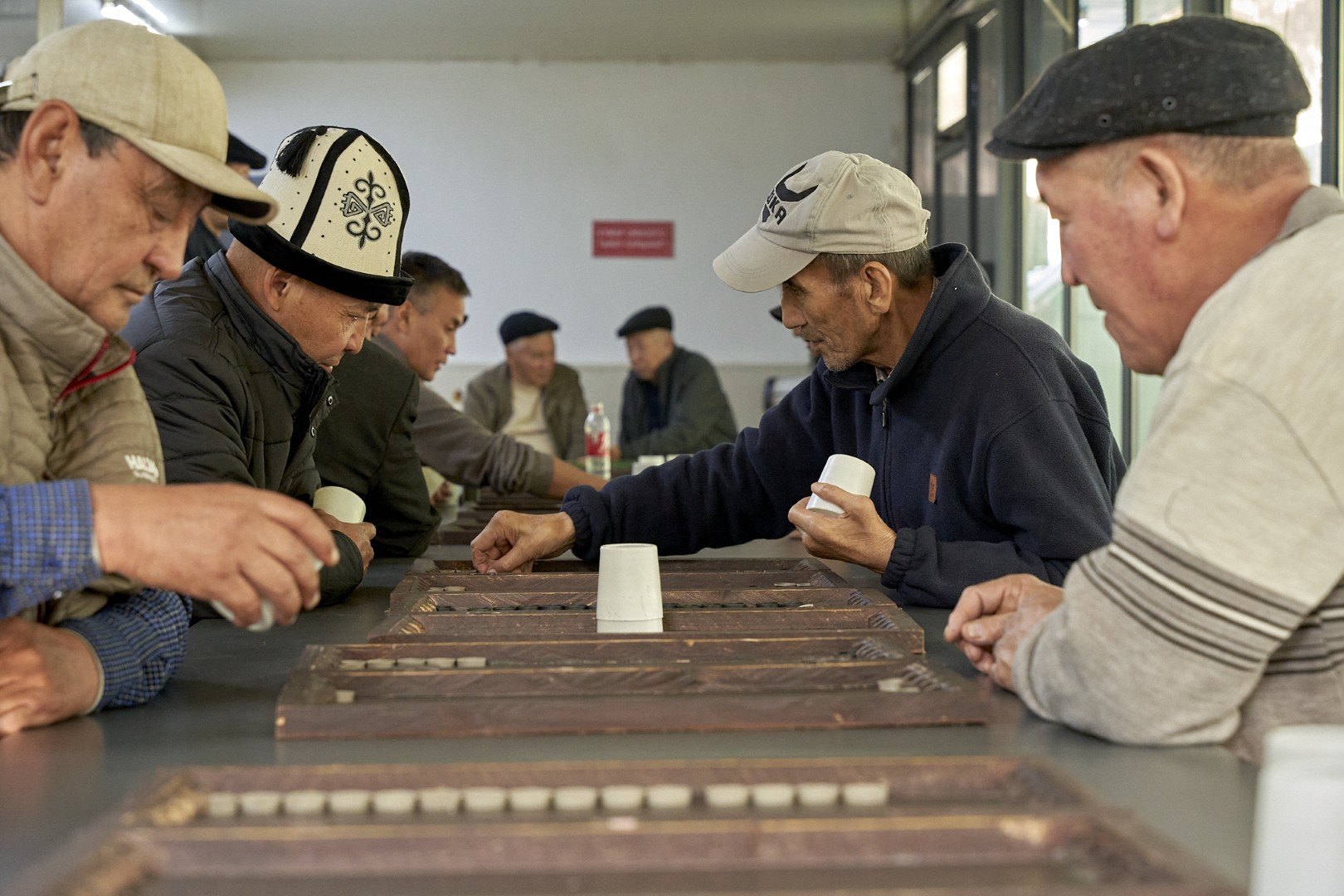
Diversity
Start your leisurely stroll through the old bazaar with a piala, the traditional teacup, of fragrant green tea. Stop by one of the local teahouses…
Implementing Partners:



Project Partners:

Project Sponsors:

Initiator: