

Entrance fee – no fee

10:00 – 16:00

No closing days
Add to My Tour
Blacksmiths’ Row
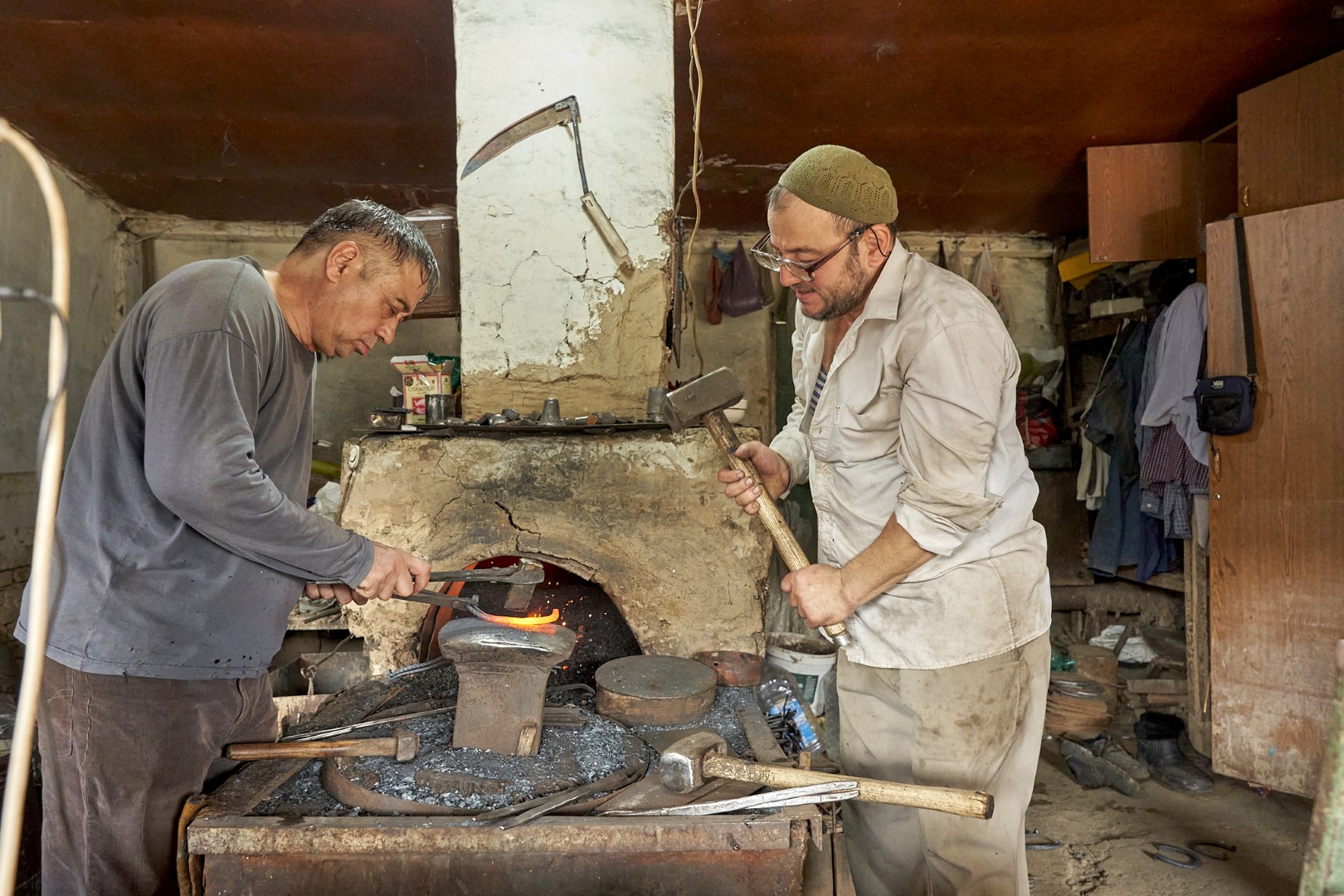
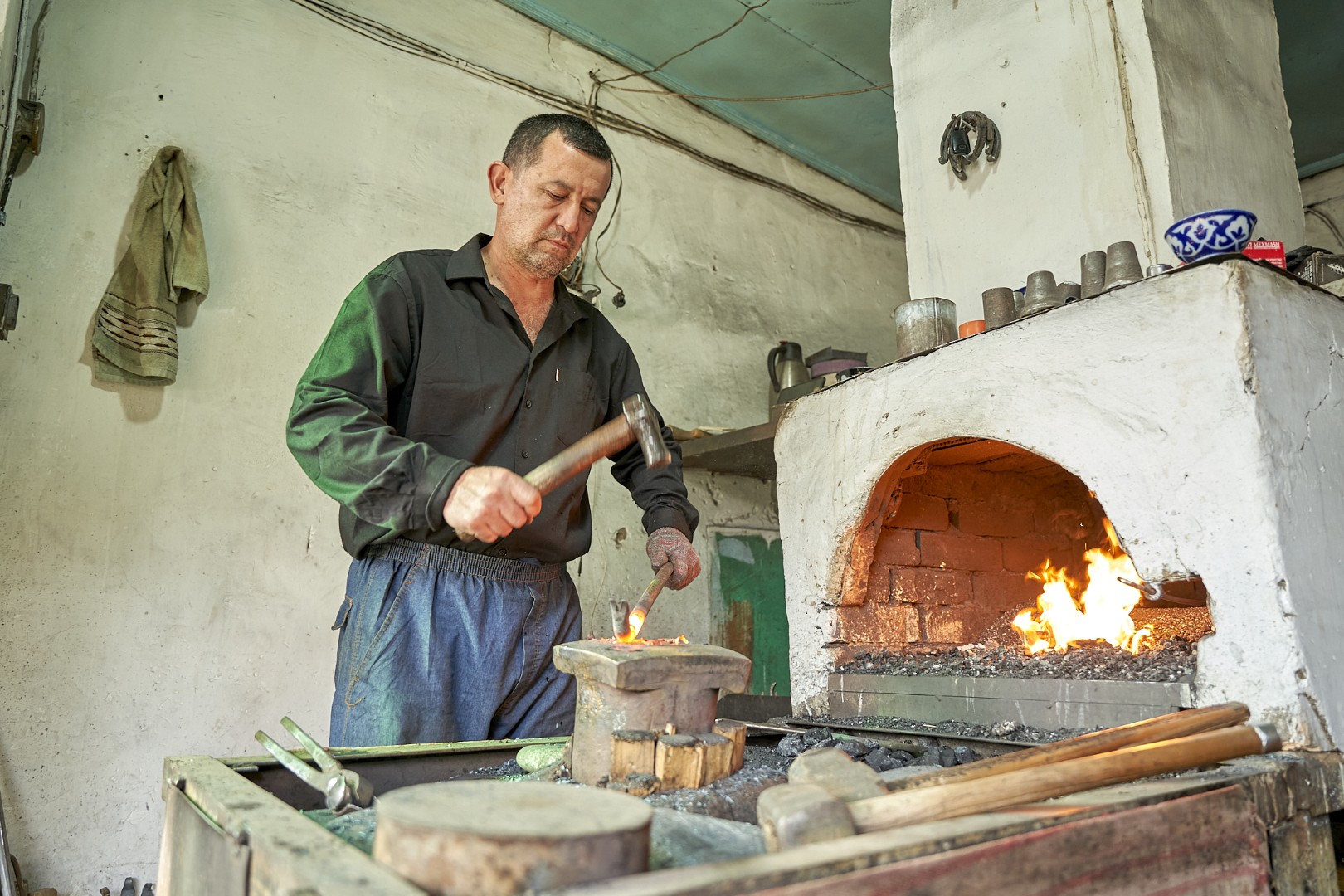
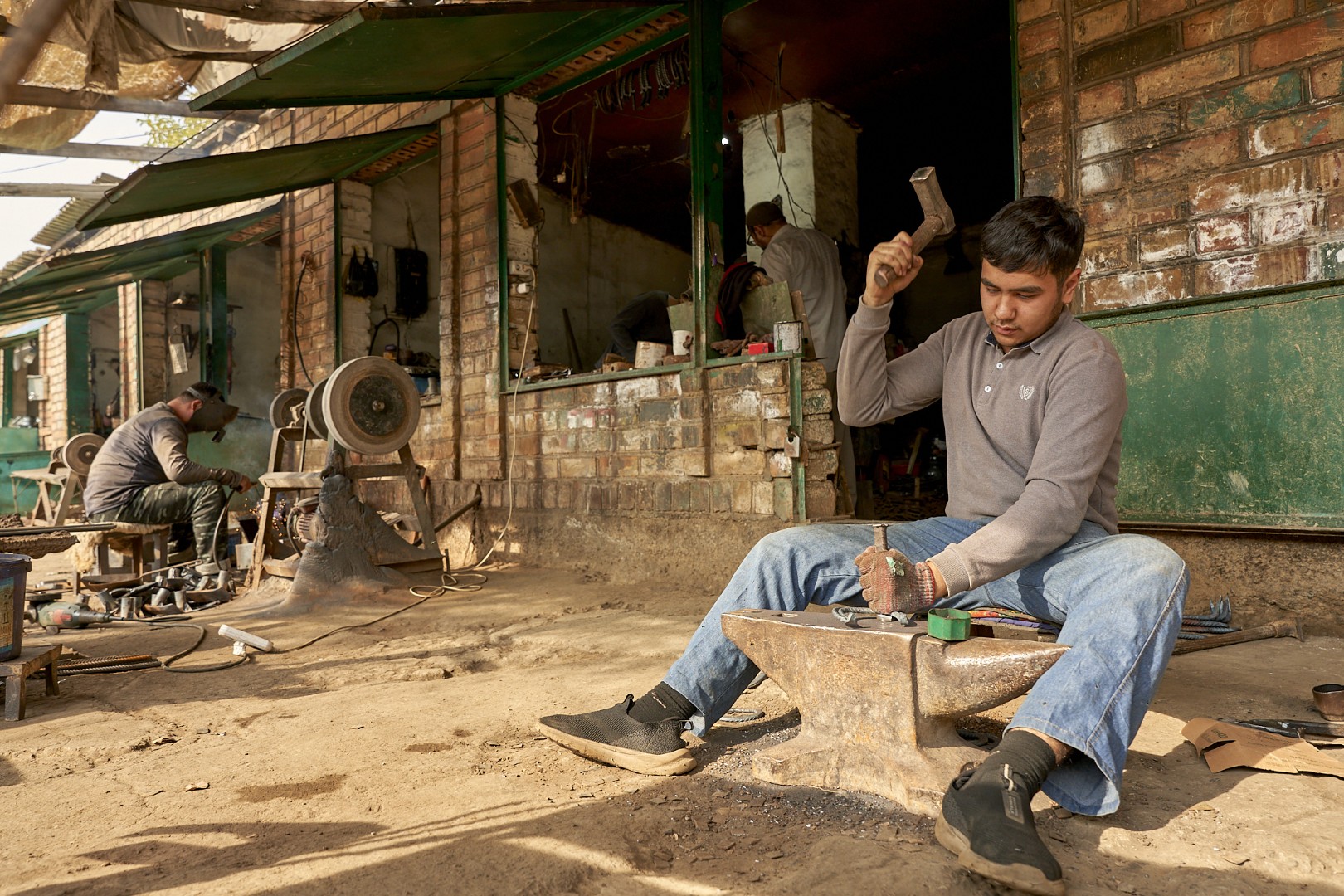
The blacksmiths’ row is situated on the bank of the Ak-Buura, in the most colourful part of the old bazaar, as it has been for over a thousand years. Every morning there is the ringing of hammers on anvils. Aptitude, dexterity and stamina, multiplied by many years of tradition, are the defining qualities of a real blacksmith.
Every strike has to be made at the right point! After all, the average forging hammer weighs almost three kilograms, and it takes at least a thousand blows to make a quality product.
Osh blacksmiths here make both mass-produced and individual items. They make hoes, ketmens, pliers, axes, scythes, forks, nails, horseshoes, and many other things that are essential for local peasants, and that cannot be found in construction shops. Huge samovars are produced and sold not only to teahouses, but also to townspeople. Only blacksmiths can make the special culinary items needed by local chefs, who use them to make the most delicious samsas in Kyrgyzstan.
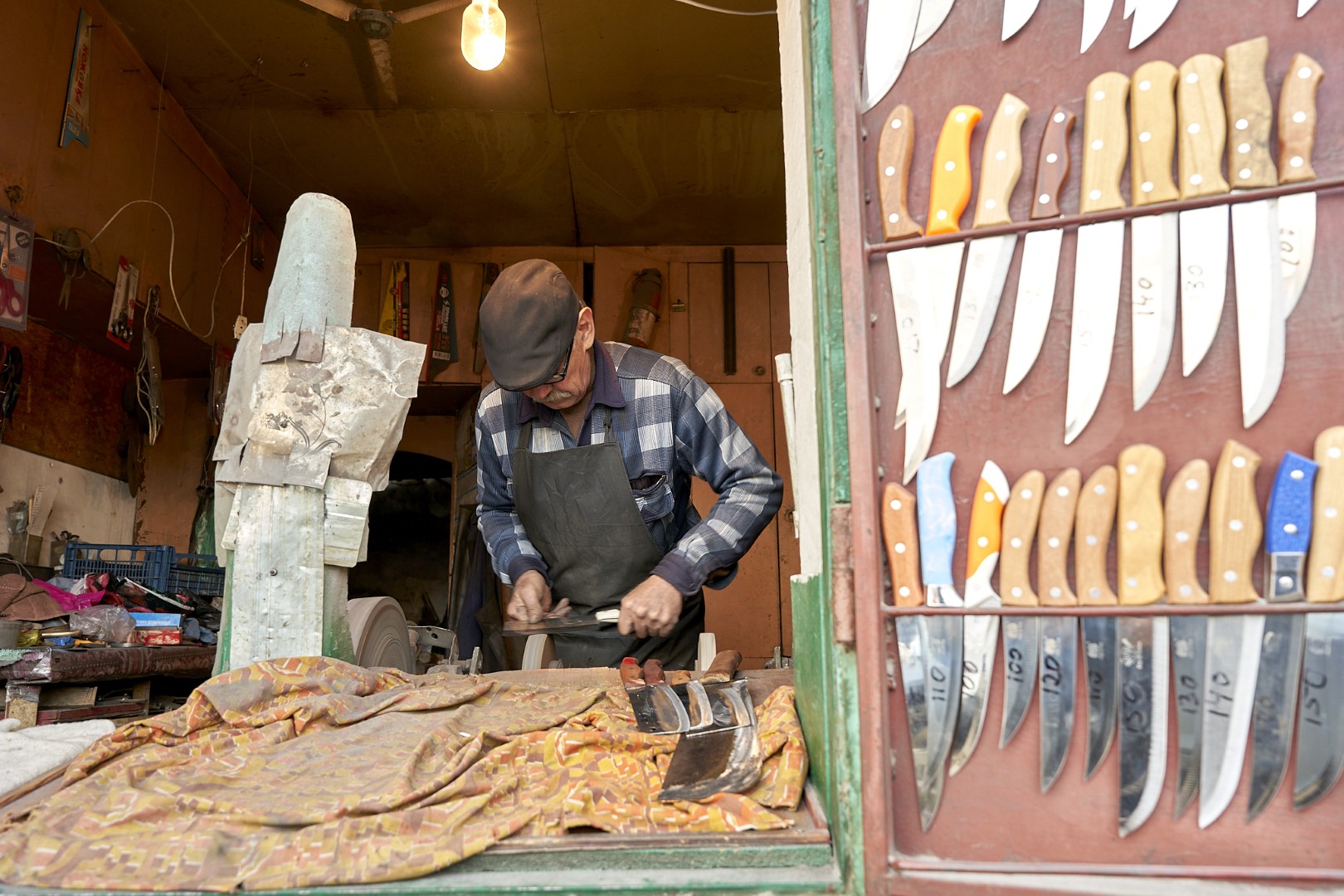
The famous Osh knives occupy a special place among the quality products of the blacksmiths. It takes several days to make a beautifully inlaid knife, and an apprentice-turned-master learns to properly sharpen a knife blade over the years. Local blacksmiths always have finished products they are ready to sell, but there are some knives that they keep carefully, refusing to part with them.
In the past, almost every adult man had a knife in a leather sheath on his belt, which was used to carve meat or slaughter sacrificial animals. The handles of such knives were traditionally made of yak horns, decorated with precious and semi-precious stones. The blades were engraved with quotations from the scriptures, set with ethnic ornaments and stamped with the initials of the master.
Blacksmiths are the guardians of the traditions of the old bazaar. They do their work regardless of the times and rulers.

Locations Nearby
-
Artisans
The old bazaar is famous for its artisans, who cherish and preserve the secrets of their handicrafts, and whose wares are still in demand among…
-
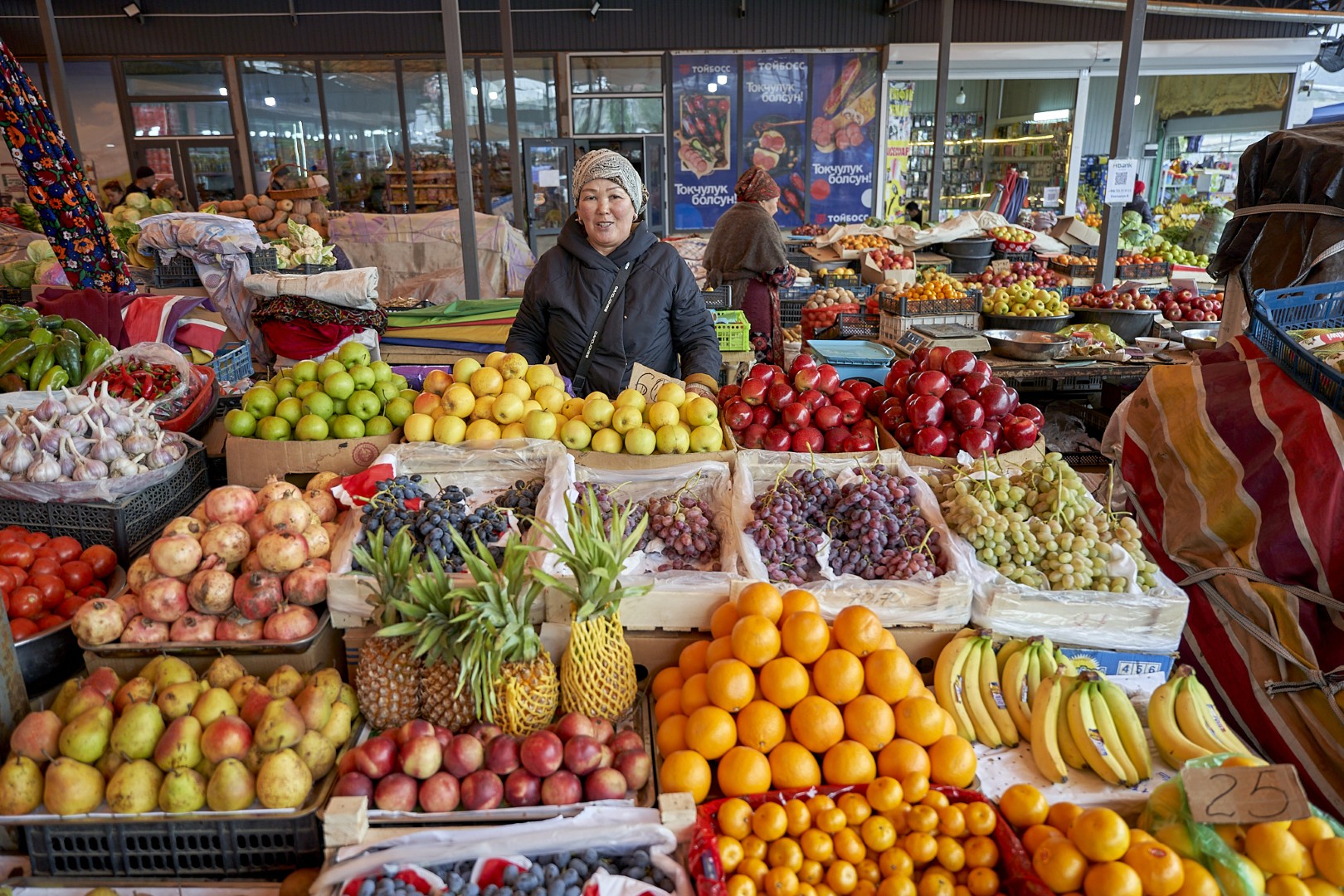
History of the Bazaar
Osh’s old bazaar dates back to the founding of the city, some three thousand years ago. Today, many of the smaller local bazaars have disappeared…
-
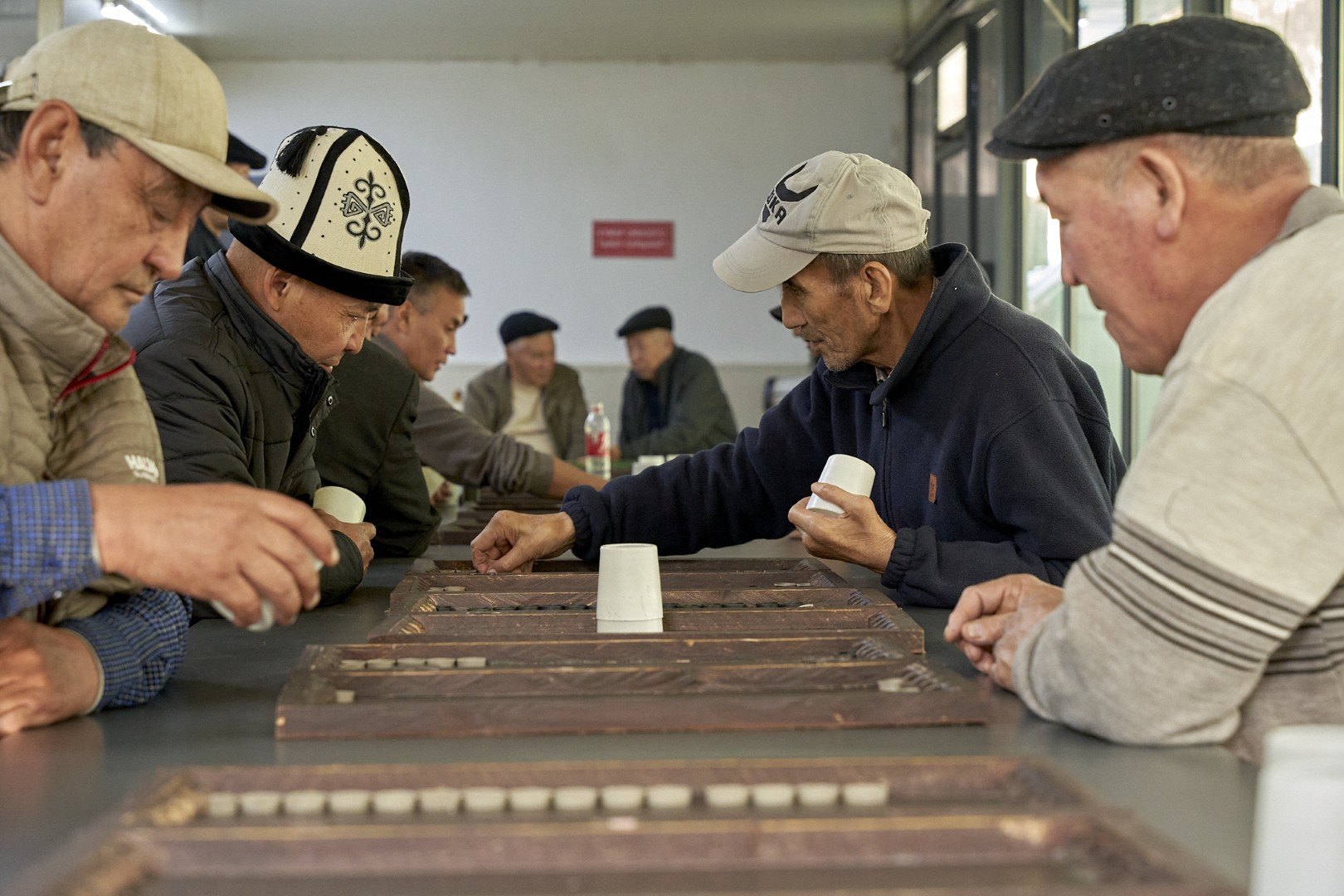
Diversity
Start your leisurely stroll through the old bazaar with a piala, the traditional teacup, of fragrant green tea. Stop by one of the local teahouses…
-
Blacksmiths’ Row
The blacksmiths’ row is situated on the bank of the Ak-Buura, in the most colourful part of the old bazaar, as it has been for…
Other Locations
-
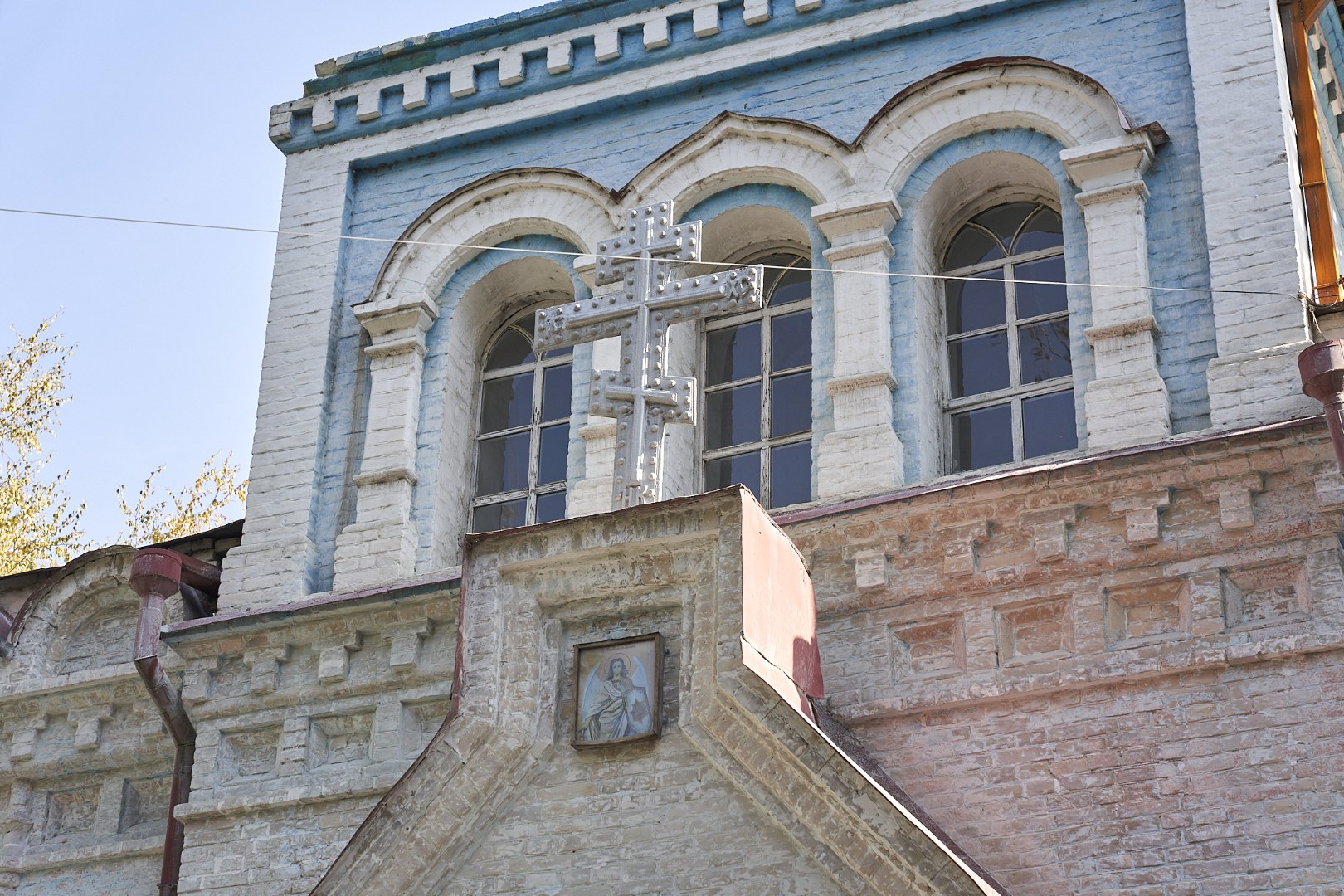
Russian Orthodox Church
St. Michael the Archangel Cathedral is the only remnant of Russian Orthodox architecture in Osh and was the central landmark around which the Slavic community…
-
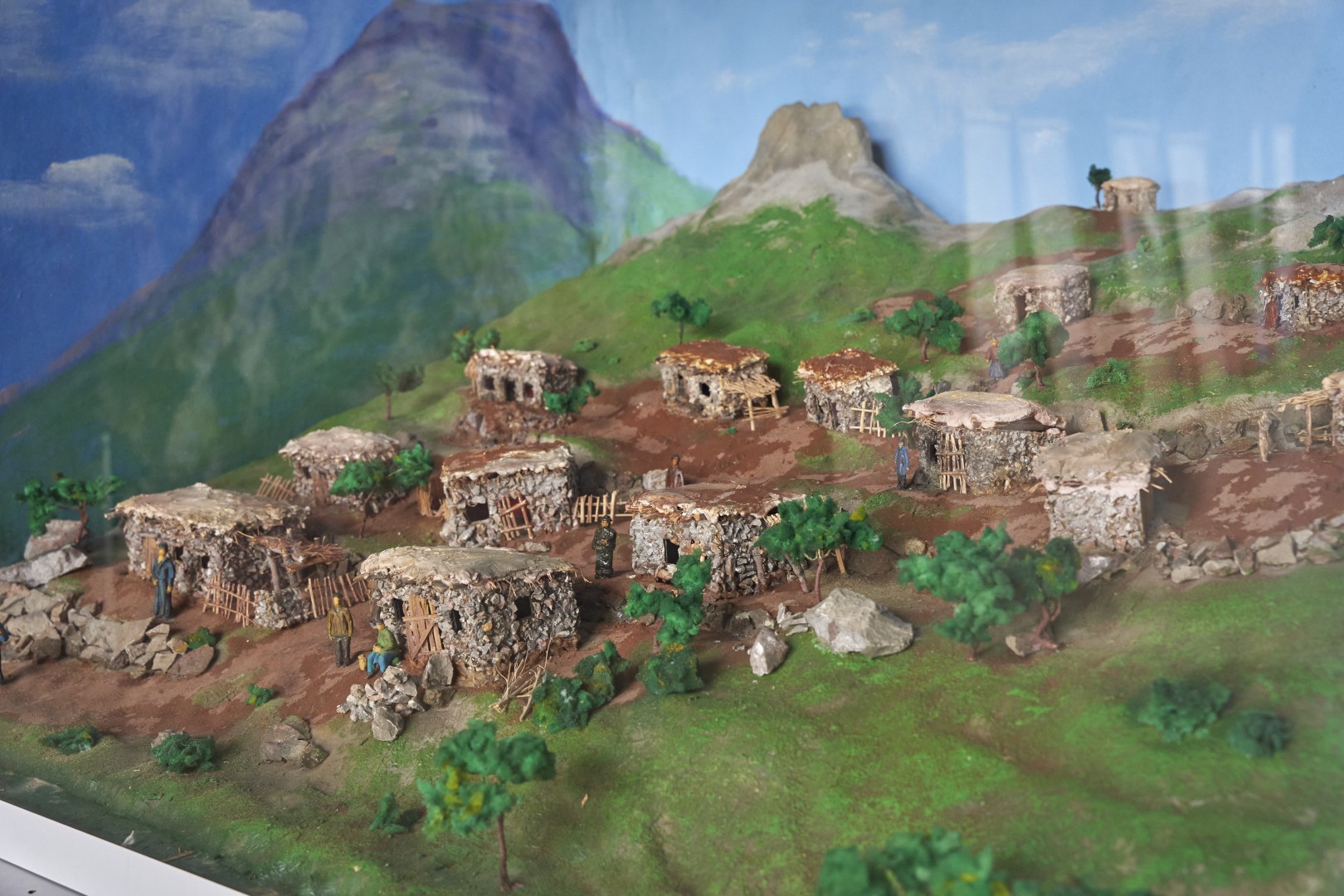
The beginning: Osh settlement
In 1967, Elena Druzhinina, the Head of the Pre-Soviet History Department of the Osh Regional Local History Museum, found fragments of ceramics identical in origin…
-
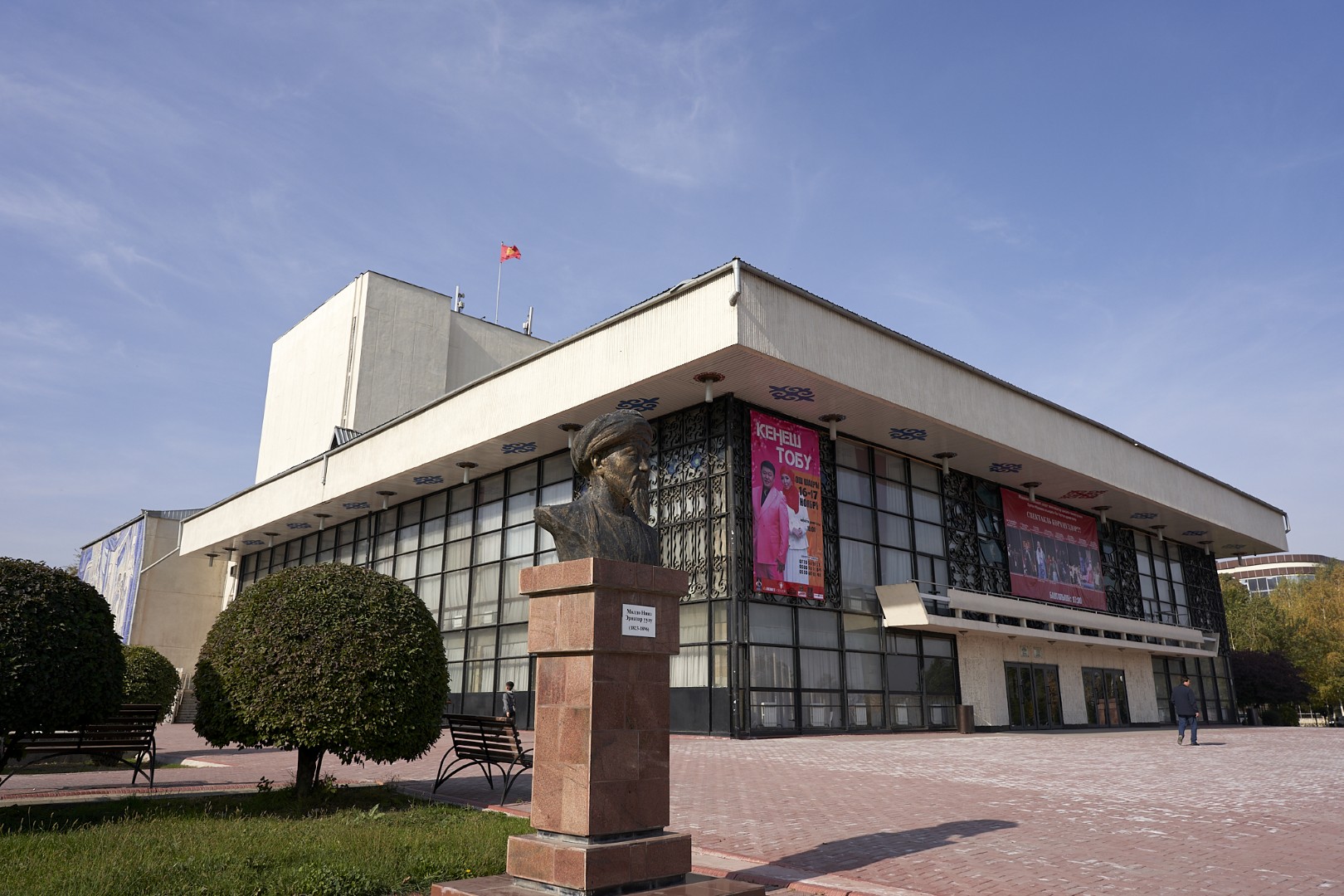
National Drama Theatre
The Osh National Drama Theatre named after Sultan Ibraimov is one of the largest and most famous theatres in Kyrgyzstan. The theatre company was established…
-
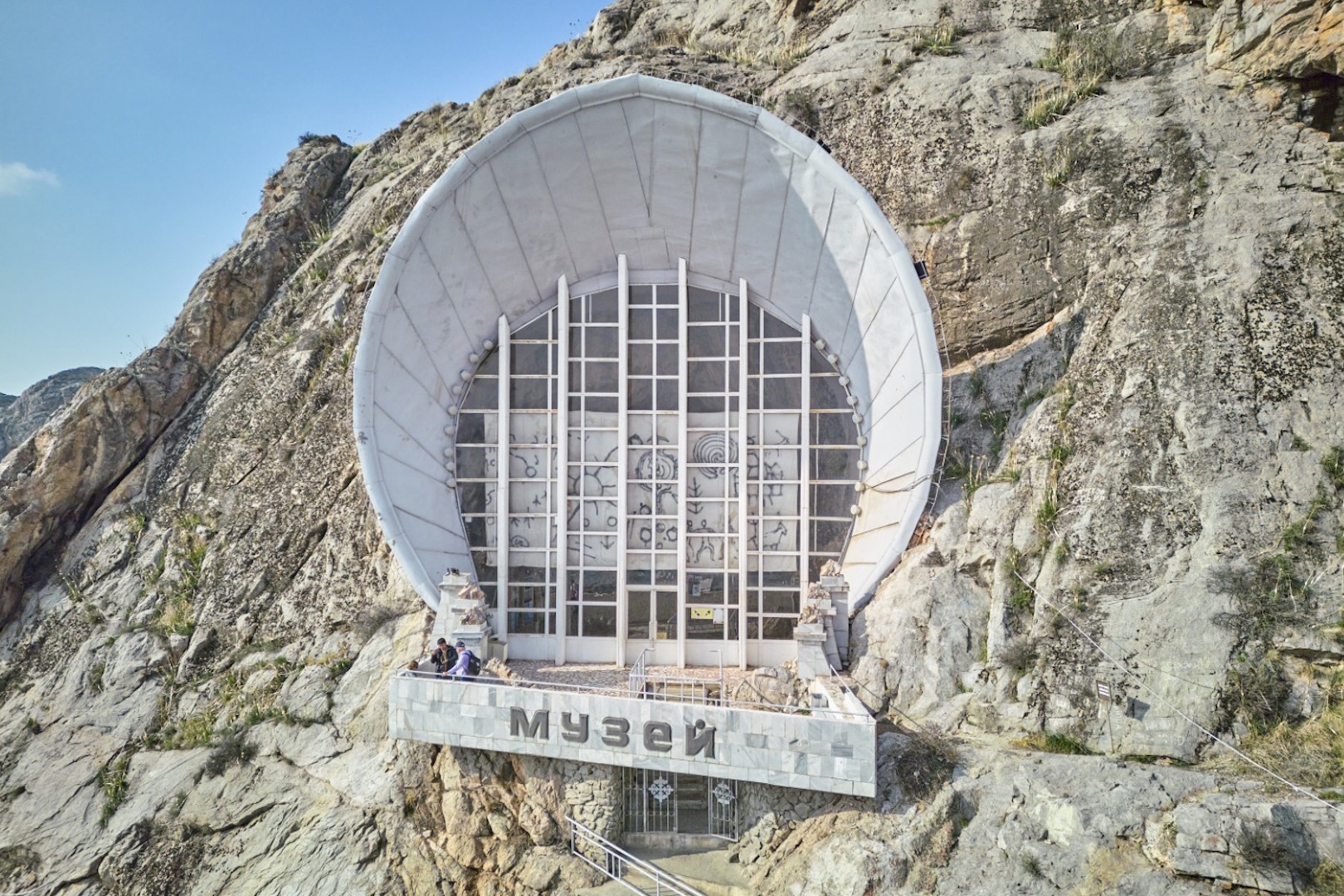
Gate of Fire at Suleiman Mountain
Ancient Osh with its majestic Suleiman Mountain has a magic power, attracting adherents of various religions and beliefs, serving as a place of pilgrimage for…
Implementing Partners:



Project Partners:

Project Sponsors:

Initiator: