
Osh Pilau
Pilau, or “ash” in Kyrgyz, is Osh’s signature dish! It’s probably no coincidence that the name of the city and of its most famous food sound so similar. In Osh, they cook a classic variant of pilau, which differs from those found in Tashkent or Samarkand. There are similarities with the variations of pilau in Andijan and Margilan in Uzbekistan and Uzgen in Kyrgyzstan.
The secret of Osh pilau is devzira rice. This is the collective name for a variety of rice that is lightly milled, a preparation method which increases its ability to absorb liquid, which is very important for tender, flavorful pilau.
The distinctive feature of local devzira, grown in the rich soils of the floodplains of the Kara-Darya and Jazzy rivers, is the red stripe running along the grain. That’s why the color of this rice varies from pink to brown. There is also white devzira or “chungara” rice (taking its name from the Chon-Kara area in Batken oblast where it is grown), which is pearly with a creamy yellow tint.
Osh pilau can be hard to find in cafés because it is usually cooked in a chaykhana, or teahouse. There are two types of teahouses common here in Osh. In the first, you can order pilau to be prepared by a certain time, and in the other, you can cook pilau yourself! You only have to bring the necessary ingredients and pay for the firewood and the rent of the qazan, the traditional cauldron.
(If you want to make your own pilau, when buying rice remember to ask the seller how well different types absorb moisture–some rice varieties need to be soaked for perfect pilau!)
In a chaykhana, pilau is ordered at the rate of 1 kilo of rice for several people, and includes meat, oil and yellow carrots. Sometimes a few plates of “shakarap” (fresh tomato and onion salad) are included, too. At the chaykhana they will reserve you a room or a space outside with a tapchan, the seating or reclining platform unique to Central Asia. You can bring your own food, salads, sweets and drinks. There are no bans. That’s why Osh residents like to spend their evenings in chaykhanas.

Other Tastes
-
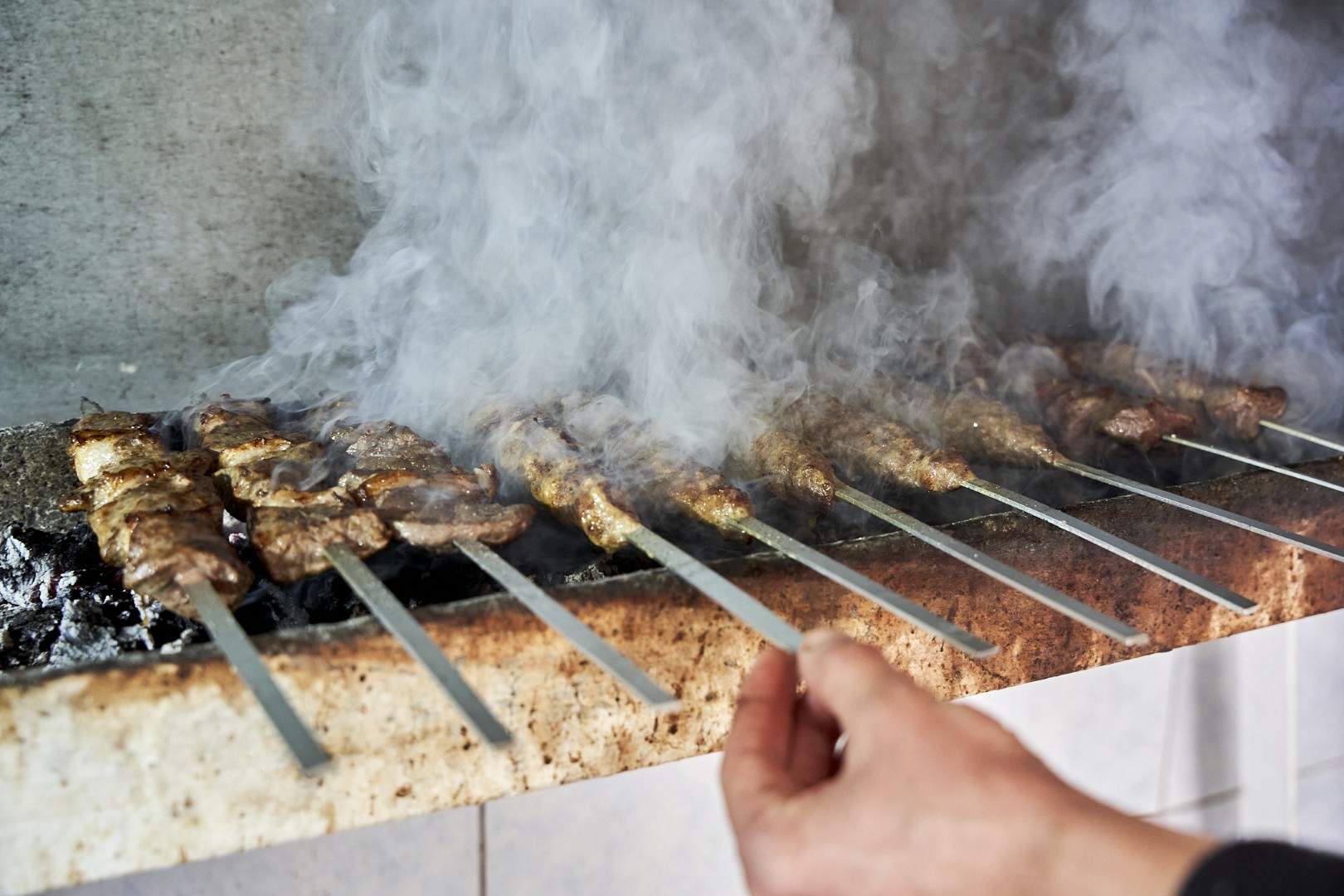
Shashlik!
Shashlik! This delicious dish, beloved all over Central Asia, is an Osh specialty for good reason. Almost every cafe offers many kinds of shashlik. There…
-
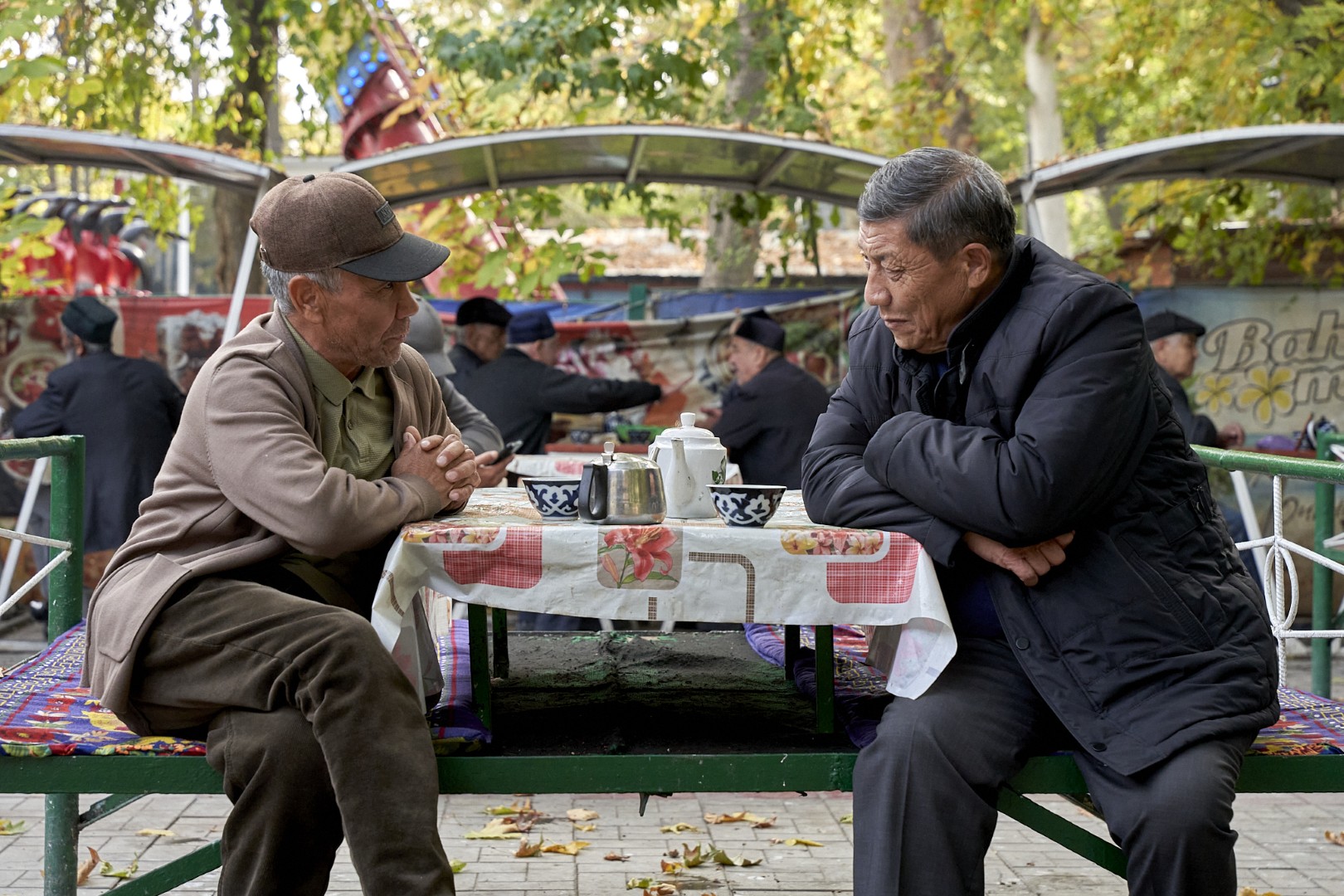
Pamil Tea
If you want to enjoy a cup of properly brewed fragrant green tea, Osh is the place to do it! Here, even in the height…
-
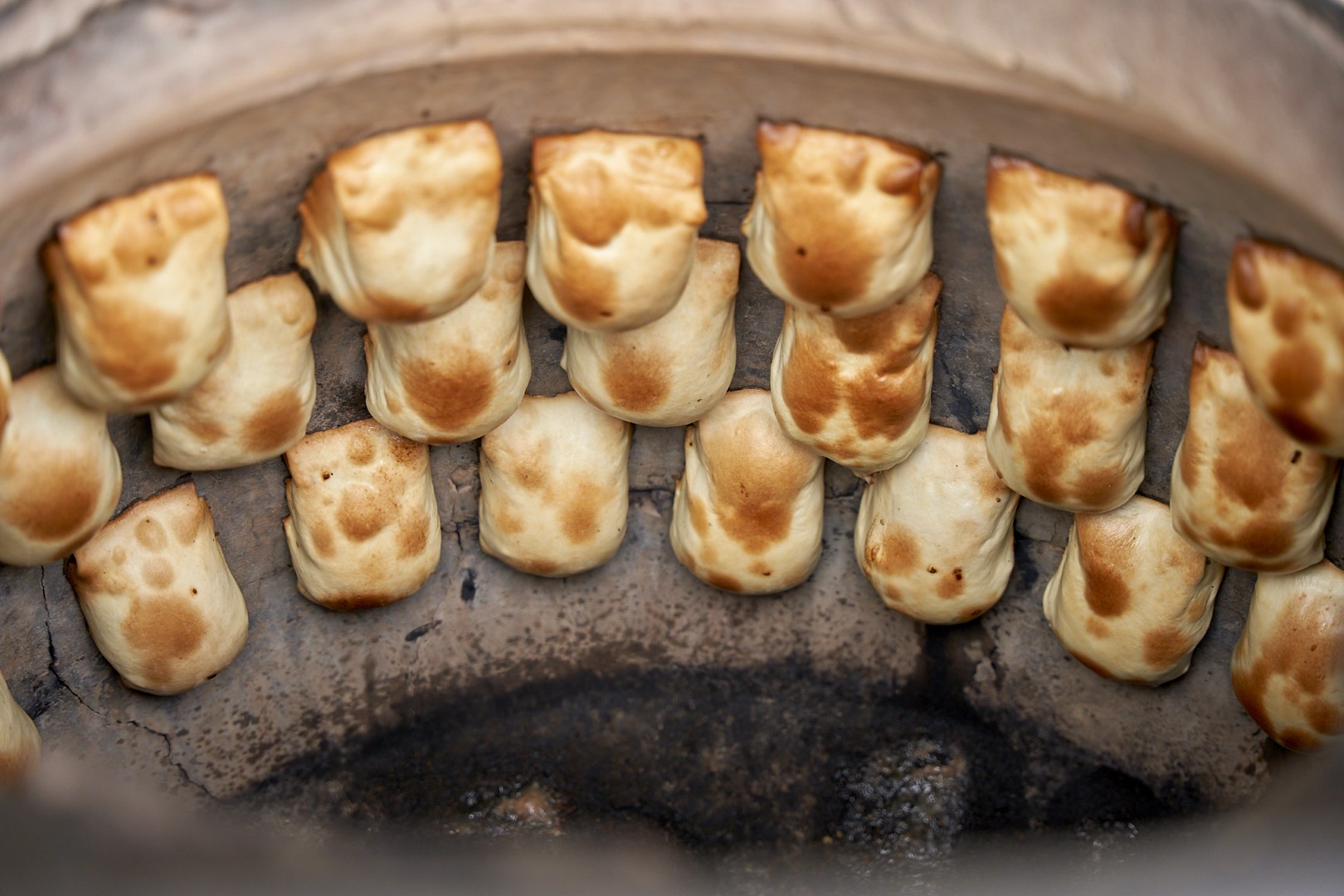
Original Samsa is in Osh!
Together with pilau, samsa is one of the five culinary staples of Osh. It is difficult to imagine Osh cuisine without it. Unlike the samsa…
-
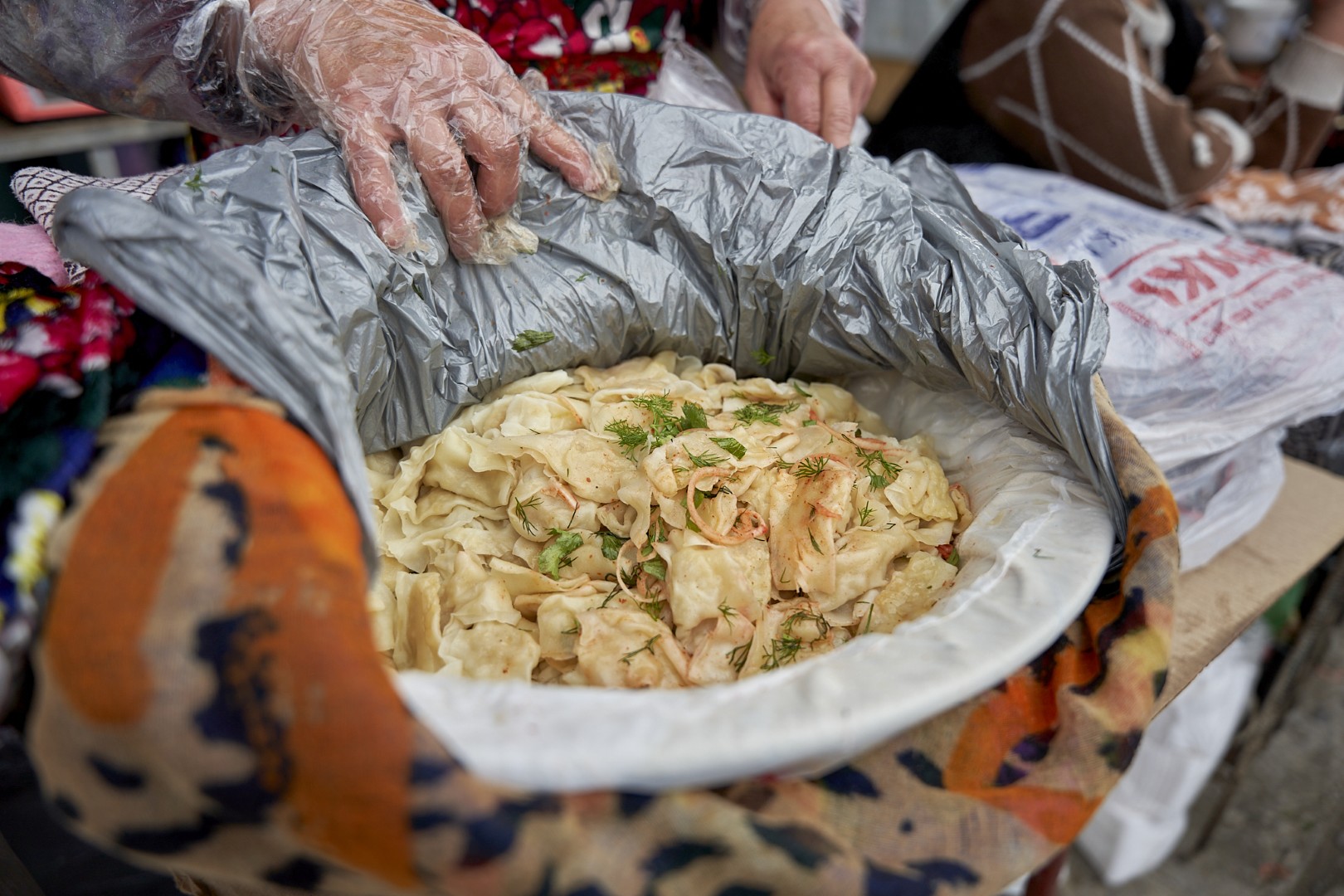
The smallest manti
Maida manti is the most popular vegetarian dish in Osh cuisine. In the past, they were called “Chychkan-manti” (or “mouse-manti”) because of their small size.…
Other Locations
-
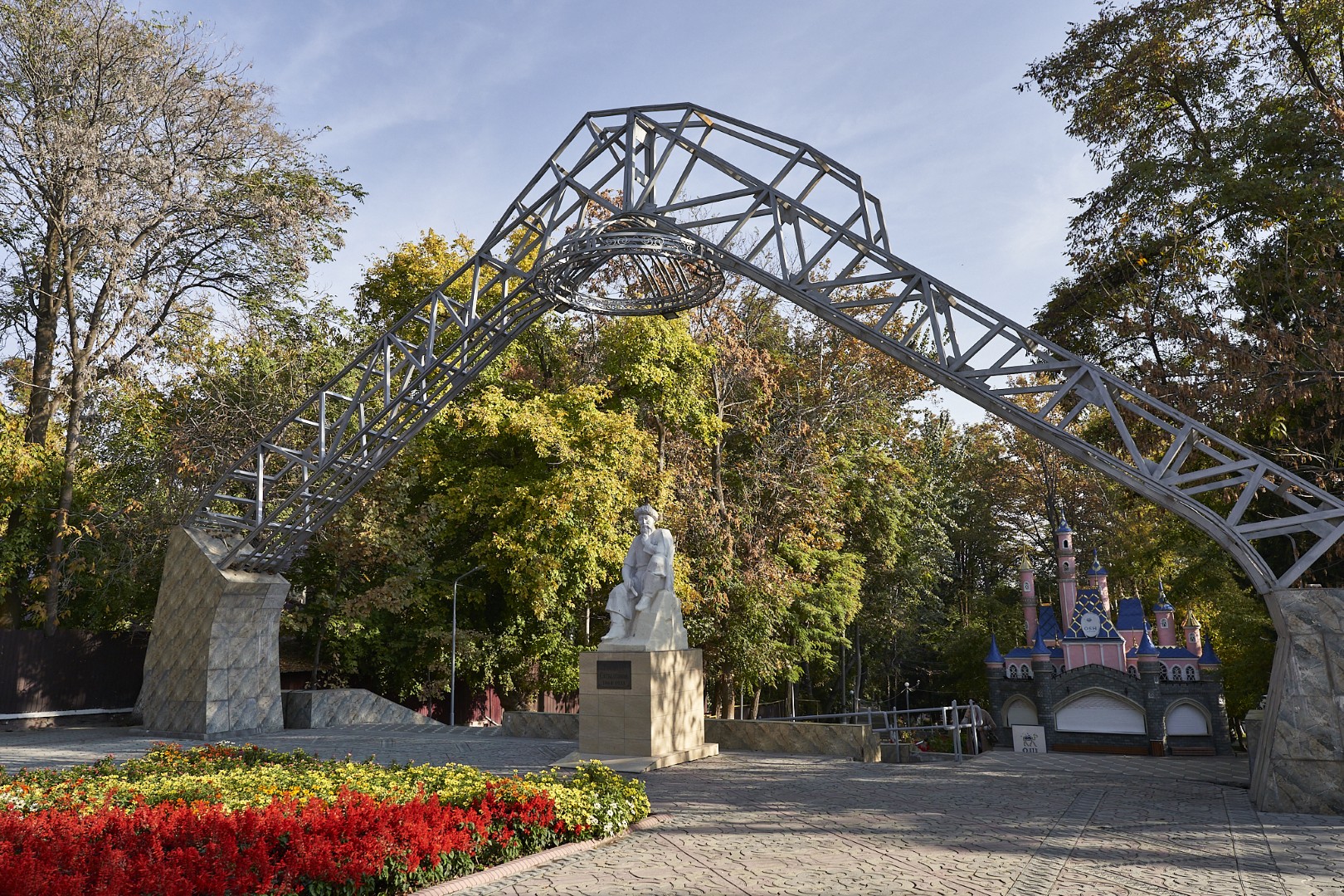
Toktogul Park
One of the oldest city parks in Osh, Toktogul Park was founded in 1878 as the city garden of the Governor-General. During the same period,…
-

The road to the Pamirs starts in Osh!
The Pamir Highway begins in Osh! The Pamir Highway, one of the highest mountain routes in the world, is an extraordinary landmark and starts right…
-
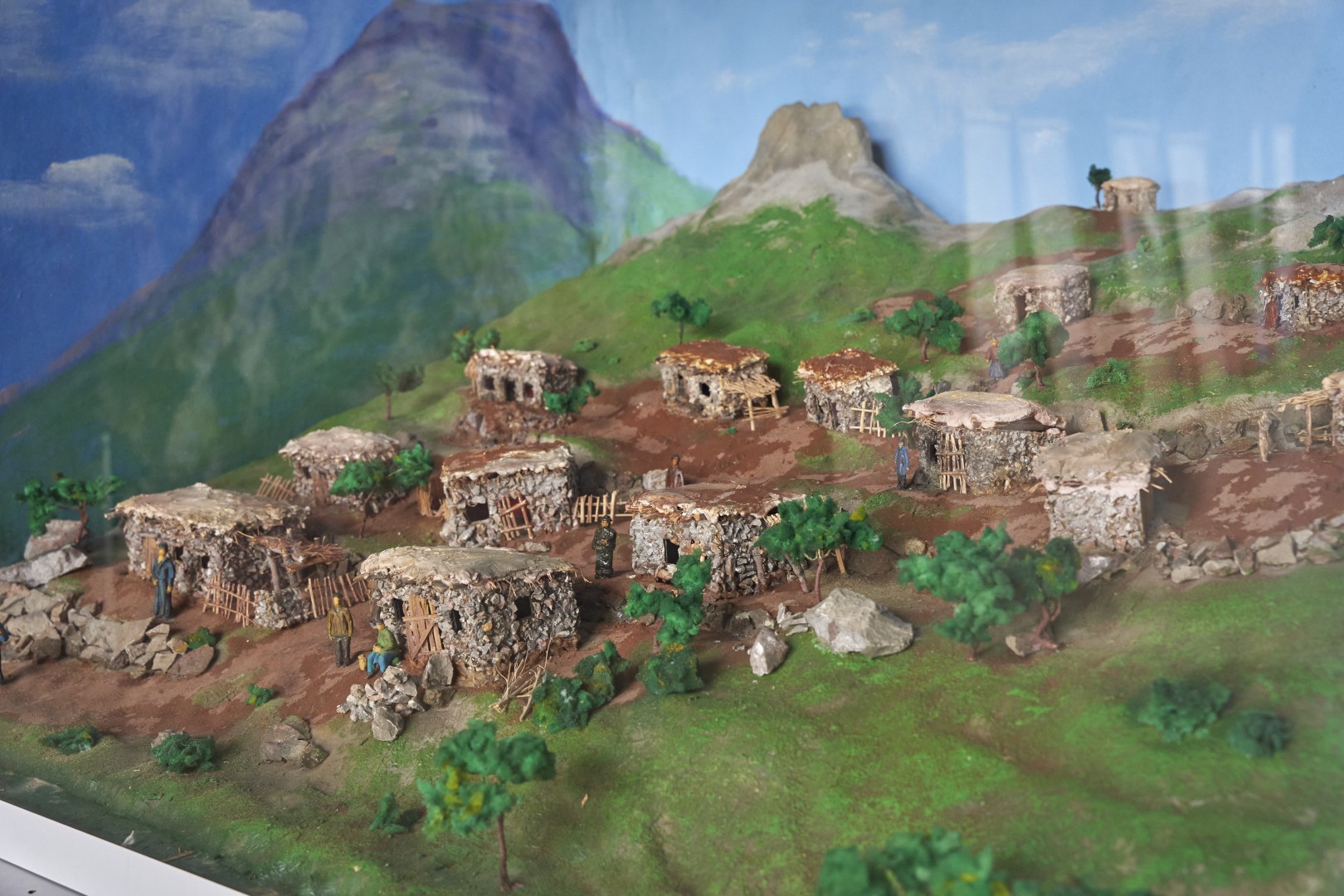
The beginning: Osh settlement
In 1967, Elena Druzhinina, the Head of the Pre-Soviet History Department of the Osh Regional Local History Museum, found fragments of ceramics identical in origin…
-

Teshik-Tash
Teshik-Tash is one of the oldest and most colorful passageways to the bazaar, dating back to ancient times. Long ago, it was the most common…
Implementing Partners:


Project Partners:

Project Sponsors:

Initiator: